Introduction
In the logistics and haulage industry, time is money. The smooth flow of goods depends on vehicles that are safe, reliable, and always road-ready. With the increasing demand for just-in-time deliveries, UK logistics operators face immense pressure to meet deadlines without interruption.
Among the many challenges fleet managers face, tyre problems remain one of the most frequent and disruptive. Blowouts on motorways, slow punctures in distribution yards, or uneven wear on long-haul routes can bring operations to a grinding halt. Unlike other mechanical issues, tyre failures often occur suddenly and without warning.
That’s why 24/7 tyre support has become essential for haulage firms. It’s not just about replacing tyres—it’s about ensuring continuity, minimising downtime, keeping drivers safe, and protecting business profitability.
1. The Scale of the Logistics & Haulage Industry in the UK
1.1 Growth of Logistics
The UK logistics sector contributes over £130 billion annually to the economy and employs millions. Online retail and consumer expectations for rapid delivery are fueling industry growth, pushing more vehicles onto the road.
1.2 Vehicle Volume
From light commercial vans delivering parcels to HGVs transporting goods nationwide, fleet sizes have expanded dramatically. More vehicles mean higher chances of tyre-related incidents.
1.3 Operational Pressure
With tight margins and rising competition, haulage firms cannot afford unplanned downtime. Every immobilised vehicle can disrupt delivery chains, impact client contracts, and damage reputation.
2. The Hidden Risks of Tyre Failures
2.1 Safety Risks
Tyre blowouts at motorway speeds are among the most dangerous breakdowns. For HGVs carrying heavy loads, they pose serious risks not just to drivers but to other road users.
2.2 Financial Costs
A single vehicle breakdown can cost hundreds of pounds in lost productivity per hour, plus emergency recovery and missed delivery penalties.
2.3 Legal and Compliance Issues
Tyres are subject to strict UK regulations:
- Minimum tread depth of 1.6mm across the central three-quarters.
- Proper inflation levels.
- Tyres free from bulges, cuts, and exposed cords.
Failure to comply can result in fines, penalties, and even fleet operator license risks.
2.4 Environmental Impact
A tyre failure often means premature disposal. Without proactive tyre management and emergency support, fleets end up with increased waste and higher carbon footprints.
3. Why 24/7 Tyre Support is Critical
3.1 Continuous Operations
Logistics and haulage firms don’t operate 9-to-5. They run 24/7, covering long-distance haulage and night-time distribution. Tyre support services must match that schedule.
3.2 Reducing Downtime
Every minute counts. A stranded HGV with a blown tyre could block a motorway lane or delay goods worth thousands. Fast roadside support ensures vehicles are back in operation quickly.
3.3 Nationwide Coverage
Logistics routes extend from urban centres to rural countryside. A strong 24/7 tyre support network guarantees assistance anywhere, anytime.
3.4 Driver Safety
Drivers often travel alone, in poor weather, or at night. Immediate tyre support reduces risks associated with waiting on the roadside.
4. How 24/7 Tyre Support Works in Practice
4.1 Emergency Callouts
When a vehicle suffers a puncture or blowout, the nearest mobile tyre technician is dispatched. Arrival targets are often within 30–60 minutes, depending on location.
4.2 On-Site Repairs and Replacements
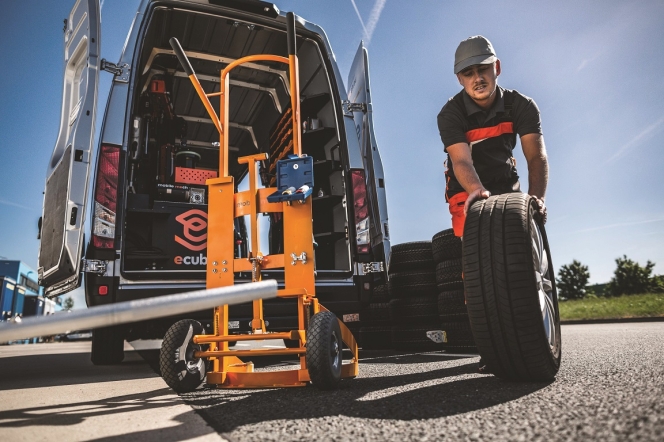
Mobile workshops carry advanced tools to:
- Remove damaged tyres.
- Fit replacements.
- Balance wheels.
- Inflate tyres to exact manufacturer specifications.
4.3 Fleet Tyre Monitoring
Some providers integrate tyre management systems with fleet software. This allows real-time alerts for low pressures or early signs of wear.
4.4 Preventive Inspections
Beyond emergency repairs, 24/7 providers often schedule routine depot visits, catching issues before they escalate into roadside failures.
5. Technology Driving 24/7 Tyre Services
5.1 Digital Dispatch Systems
Using GPS and automated scheduling, technicians are routed via the fastest path to stranded vehicles.
5.2 Tyre Pressure Monitoring Systems (TPMS)
Integration with fleet vehicles ensures that under-inflation is detected early, reducing risks of blowouts.
5.3 Data Analytics
Tyre wear data is recorded across the fleet, helping managers forecast replacement needs and reduce unexpected failures.
5.4 Mobile Equipment
Modern mobile units are equipped with:
- Hydraulic lifts.
- Balancing machines.
- On-board power supplies.
- Wide tyre stock for multiple vehicle types.
6. Case Studies: 24/7 Support in Action
Case 1: National Supermarket Fleet
A delivery lorry experienced a blowout on the M1 during early morning hours. Thanks to 24/7 support, a technician arrived within 45 minutes, replaced the tyre, and the vehicle was back on the road—ensuring perishable goods reached stores on time.
Case 2: Regional Haulage Firm
Operating across rural Wales, the fleet frequently faced punctures on unpaved access roads. A mobile tyre provider with nationwide reach reduced downtime incidents by 70% in one year.
Case 3: Overnight Distribution Centre
A hub servicing e-commerce clients relied on night shifts. Scheduled 24/7 tyre checks prevented recurring issues and eliminated costly recovery calls.
7. Benefits for Logistics & Haulage Firms
7.1 Maximum Uptime
The core benefit is keeping vehicles moving with minimal interruption.
7.2 Cost Efficiency
- Avoids costly towing.
- Reduces lost delivery penalties.
- Extends tyre lifespan via proactive care.
7.3 Compliance Assurance
24/7 support ensures tyres remain within legal standards. Fleet managers get audit-ready reports for safety checks.
7.4 Improved Driver Morale
Drivers gain confidence knowing support is available anytime, anywhere. This improves retention and satisfaction.
7.5 Customer Trust
Consistent on-time deliveries enhance reliability and build stronger customer relationships.
8. The Cost of Not Having 24/7 Tyre Support
- Extended downtime waiting for garages to open.
- Risk of lost contracts due to missed deadlines.
- Greater long-term costs from recovery services.
- Higher driver turnover due to stressful roadside breakdowns.
For large haulage firms, a single disruption can trigger a domino effect impacting entire supply chains.
9. The Future of 24/7 Tyre Support in Logistics
With the UK logistics market expanding and driver shortages adding operational strain, the role of 24/7 tyre support will only grow. The future will see:
- Greater integration with telematics to predict failures before they happen.
- Expansion of eco-friendly tyre recycling as part of sustainability efforts.
- Support tailored to electric HGVs and vans, with specialist tyres and repair requirements.
As supply chains become faster and more complex, tyre downtime is no longer an acceptable risk. Continuous support is the backbone of reliable, efficient, and safe haulage operations.