Introduction: Why Tyres Are the Heart of Eco-Fleet Management
Fleet management today isn’t just about moving vehicles efficiently—it’s about operating sustainably, reducing fuel costs, and extending the lifespan of essential components. Among the many factors that impact a fleet’s environmental and financial footprint, tyres play a critical role.
Tyres are more than just rubber on wheels; they directly affect fuel consumption, safety, maintenance costs, and carbon emissions. By choosing long-lasting, fuel-efficient tyres, fleet managers can reduce operating expenses and align with eco-friendly goals.
At Quick Tyre Fix, we understand the importance of integrating sustainable tyre practices into modern fleets, ensuring both performance and responsibility.
1. The Connection Between Tyres and Fuel Efficiency
Rolling Resistance and Fuel Use
Every tyre faces a force known as rolling resistance, which refers to the energy lost as the tyre rolls across a surface. Tyres with high rolling resistance require more fuel to maintain speed, while low rolling resistance tyres improve efficiency.
- High Resistance: Increases fuel consumption and CO₂ emissions.
- Low Resistance: Improves mileage, reduces fuel bills, and helps fleets meet eco-targets.
Tyre Pressure and Energy Waste
Underinflated tyres are one of the leading causes of fuel inefficiency in fleets. Even a slight drop in pressure can reduce mileage and put extra stress on the engine. Regular pressure checks are crucial for eco-fleet management.
2. Benefits of Long-Lasting, Fuel-Efficient Tyres for Fleets
Cost Savings
Fuel-efficient tyres can save fleets thousands annually by reducing fuel consumption and requiring fewer replacements over time.
Reduced Environmental Impact
By lowering fuel demand, these tyres contribute to fewer greenhouse gas emissions and support corporate sustainability initiatives.
Enhanced Safety
Eco-friendly tyres are designed not only for efficiency but also for better grip, reduced braking distance, and improved stability—vital for fleet vehicles operating daily.
Longer Tyre Lifespan
High-quality tyres wear down slower, meaning fleets spend less on replacements and reduce waste entering landfills.
3. Key Features of Eco-Friendly Fleet Tyres
3.1 Low Rolling Resistance Technology
Special tread patterns and rubber compounds minimize energy loss while driving, directly improving fuel economy.
3.2 Durable Construction
Reinforced sidewalls and advanced tread designs provide resistance to wear and tear, especially important for fleets covering long distances daily.
3.3 Optimized Tread Patterns
Innovative tread grooves reduce road friction, improve handling in wet conditions, and ensure even wear over time.
3.4 Lightweight Materials
Modern eco-tyres use lighter materials without compromising strength, reducing vehicle load and saving fuel.
4. Best Practices for Eco-Fleet Tyre Management
4.1 Regular Tyre Inspections
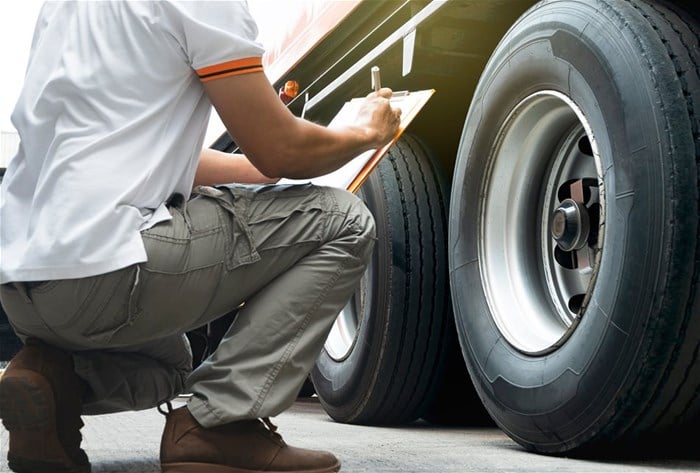
Routine checks help identify wear patterns, punctures, and alignment issues before they worsen. Fleet managers should implement a scheduled inspection system.
4.2 Proper Inflation Maintenance
Maintaining manufacturer-recommended tyre pressure is one of the simplest and most effective eco-friendly practices for fleets.
4.3 Wheel Alignment and Balancing
Poor alignment increases rolling resistance, accelerates wear, and wastes fuel. Balanced tyres also reduce vibrations, protecting suspension systems.
4.4 Tyre Rotation
Rotating tyres at regular intervals ensures even tread wear, extending tyre life and maintaining consistent fuel efficiency.
4.5 Smart Tyre Disposal and Recycling
When tyres reach the end of their life cycle, eco-conscious recycling methods prevent waste from ending up in landfills. Some materials can even be repurposed into rubberized surfaces.
5. How Eco-Friendly Tyres Support Corporate Sustainability Goals
Modern companies are under increasing pressure to meet environmental, social, and governance (ESG) standards. Fleet sustainability plays a major role in these goals.
- Reduced Carbon Footprint: Fuel-efficient tyres lower CO₂ emissions.
- Waste Reduction: Longer-lasting tyres decrease the frequency of replacements.
- Brand Reputation: Businesses adopting eco-fleet practices project responsibility and attract environmentally conscious clients.
At Quick Tyre Fix, we support businesses in meeting these sustainability benchmarks through professional tyre services, mobile tyre replacement, and eco-driven fleet solutions.
6. Technology Advancements in Eco-Fleet Tyres
Smart Tyre Monitoring Systems
Sensors integrated into tyres can track pressure, temperature, and wear in real-time, allowing managers to address inefficiencies before they escalate.
Self-Sealing Tyres
Advanced eco-tyres can automatically seal minor punctures, preventing downtime and extending usability.
Re-Treadable Tyres
Some long-lasting fleet tyres are designed for multiple life cycles by adding new tread layers, reducing the demand for raw materials.
Sustainable Materials
Manufacturers are increasingly incorporating renewable materials like natural rubber, soybean oil, and silica to make tyres both durable and eco-friendly.
7. The Role of Quick Tyre Fix in Eco-Fleet Management
At QuickTyreFix.co.uk, we provide more than just emergency tyre replacements—we deliver fleet-focused tyre solutions that enhance both efficiency and sustainability.
Our Services for Fleets
- Mobile Tyre Replacement: On-site fitting for cars, vans, and commercial fleets.
- Emergency Tyre Repair: 24/7 assistance to keep vehicles on the road.
- Eco-Fleet Consultation: Helping businesses choose the right long-lasting, fuel-efficient tyres.
- Preventive Maintenance Plans: Regular checks to reduce breakdown risks and optimise performance.
By combining technology, expertise, and eco-friendly practices, Quick Tyre Fix helps businesses achieve lower operating costs and greener fleet operations.