Introduction: Winter’s Hidden Impact on Your Car Battery
Few things are as frustrating as walking out on a frosty morning, turning the key—or pressing the start button—and hearing only silence. Cold weather is notorious for causing battery issues that leave drivers stranded. But why does this happen, and how can you prevent it?
Understanding how winter affects your car battery, and knowing when a jump-start service is the right solution, can save you time, stress, and money.
Why Car Batteries Struggle in Cold Weather
1. Chemical Reactions Slow Down
A car battery works through a chemical reaction that produces electrical energy. In freezing conditions, these reactions slow significantly, reducing the battery’s ability to supply power.
- At 0°C, a fully charged battery can lose about 20% of its capacity.
- At –17°C, it may lose up to 50%.
This means that even a healthy battery may underperform in winter.
2. Higher Power Demand in Winter
While the battery is weaker, your car demands more energy:
- Headlights are used longer.
- Heaters, defrosters, and heated seats all draw extra power.
- Cold oil thickens, making the engine harder to crank.
3. Older Batteries Are More Vulnerable
A battery that’s more than 3–5 years old may already be weak. Cold weather simply exposes that weakness, often resulting in a sudden failure.
Signs Your Battery Is Struggling in Cold Weather
- Engine cranks slowly before starting.
- Dashboard lights flicker or dim when starting.
- You hear clicking sounds instead of a smooth ignition.
- Electrical features (radio, heater, power windows) feel sluggish.
Recognizing these warning signs early allows you to take action before you’re left stranded.
The Role of Jump-Starts in Winter
When your battery doesn’t have enough power to start the engine, a jump-start can provide the extra boost it needs.
How Jump-Starts Work
A jump-start uses power from another battery (or a professional jump-start pack) to temporarily supply the current required to crank your engine. Once the car is running, the alternator recharges the battery.
Professional vs. DIY Jump-Starts
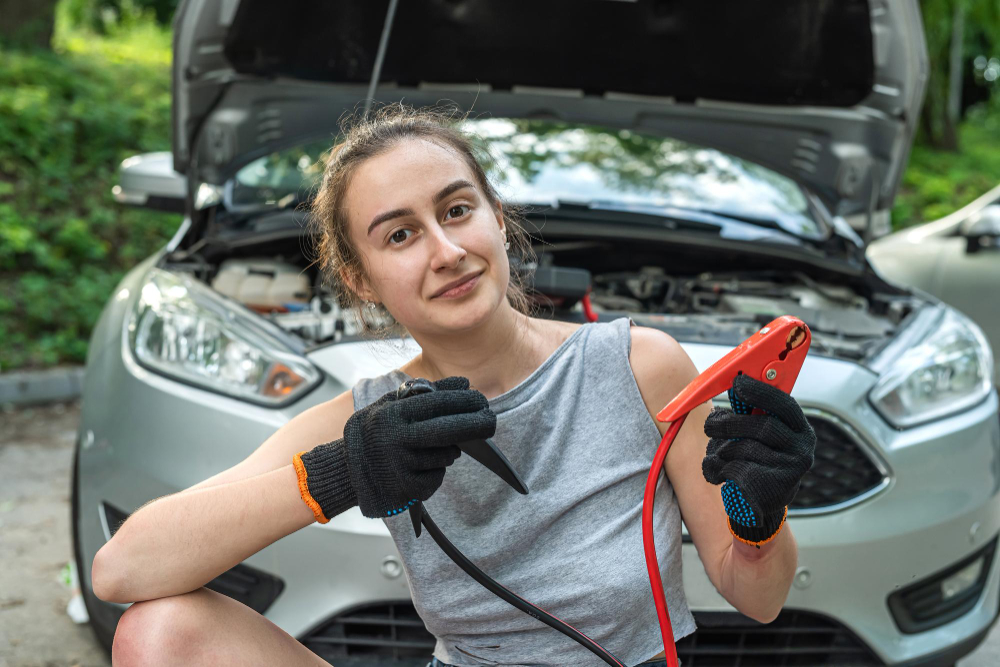
- DIY Jump-Starts: Using jumper cables and another car can work, but it comes with risks like sparks, incorrect connections, or damage to sensitive electronics.
- Professional Jump-Starts: Mobile mechanics or roadside services carry safe, high-capacity jump packs designed for all vehicle types, reducing the risk of damage.
Why Cold Weather Makes Jump-Starts More Common
- Morning Starts Are Harder: Cars parked outdoors overnight are exposed to the coldest temperatures, making mornings peak time for dead batteries.
- Short Trips Provide Little Recharge: In winter, people often drive shorter distances. This doesn’t allow the alternator enough time to fully recharge the battery.
- Multiple Strains on the Battery: Running heaters, wipers, lights, and infotainment systems continuously puts extra load on a weakened battery.
Preventing Cold Weather Battery Failures
1. Regular Battery Testing
Have your battery tested before winter. A professional load test can reveal if it’s nearing the end of its life.
2. Keep It Charged
If you make frequent short trips, consider using a battery maintainer (trickle charger) overnight.
3. Park Smart
Whenever possible, park in a garage or sheltered area to reduce exposure to extreme cold.
4. Turn Off Accessories Before Starting
Switch off the heater, radio, and lights before ignition. This ensures maximum power is available to start the engine.
5. Replace Old Batteries Proactively
Don’t wait until it fails. If your battery is over 4 years old, replacing it before winter is often the smarter move.
Jump-Start Safety Tips in Winter
- Always ensure the vehicle is in park (automatic) or neutral (manual) with the handbrake engaged.
- Use high-quality, insulated jumper cables or a professional jump pack.
- Never attempt a jump-start near flammable materials—cold weather sometimes leads to fuel leaks or frozen lines.
- If unsure, call a professional service to avoid damaging sensitive vehicle electronics.
Why Professional Jump-Start Services Are Worth It
Cold mornings often mean dozens of vehicles are stranded at once. While waiting for a friend to help can take hours, a professional service:
- Arrives quickly, 24/7.
- Uses the correct tools for modern cars, hybrids, and even commercial vehicles.
- Can test your battery and advise if replacement is necessary.
- Ensures your vehicle is safe to drive after the restart.