Getting a flat tyre or a sudden blowout can be stressful and even dangerous—especially when it happens in the middle of nowhere or on a busy road. While emergency tyre services like those offered by QuickTyreFix.co.uk can quickly come to your aid, knowing what to do in those first few minutes is crucial for your safety.
1. Move to a Safe Location (If Possible)
➤ Don’t Stop in a Dangerous Spot
If your tyre goes flat or blows out:
- Turn on your hazard lights immediately
- Gently slow down
- Look for a safe area to pull over
Ideal places to stop include:
- The hard shoulder on a motorway
- A lay-by or rest area
- A well-lit side street or car park
Avoid stopping on bends, bridges, or narrow shoulders, where other drivers might not see you in time.
➤ What If You Can’t Move the Car?
If your car is immobile:
- Stay inside with seatbelts on
- Activate hazard lights
- Only exit if it's safe to do so and you can get behind a barrier
2. Make Yourself Visible
➤ Turn on Hazard Lights
These flashing lights warn oncoming drivers that your car is stationary due to an emergency.
➤ Use a Reflective Warning Triangle
- Place it 45–60 metres (about 150–200 feet) behind your car
- Place it further back if you're on a fast road
Don’t use a warning triangle on motorways, as walking on the shoulder is dangerous.
➤ Wear a Reflective Vest
If you have to step outside the vehicle (especially at night or on dark roads), wear a high-visibility vest or jacket to make yourself more visible to other drivers.
3. Call for Professional Tyre Assistance
When you contact an emergency tyre service like QuickTyreFix.co.uk, be ready to provide:
- Your exact location (GPS coordinates if possible)
- Vehicle make, model, and tyre size
- A short description of the issue (e.g., "flat front-left tyre," "blowout on motorway," etc.)
- Any other hazards or traffic conditions
Use hands-free calling or pull over fully before making a call. Never dial while driving.
4. Avoid DIY Tyre Repairs on Busy Roads
➤ Why DIY Isn’t Always Safe:
Changing a tyre on your own:
- Requires physical effort
- Puts you close to speeding traffic
- May be impossible if you're on uneven or soft ground
Unless you're in a safe, empty location like your driveway or a parking lot, it’s best to wait for trained technicians who have the tools and experience.
5. Stay Inside the Vehicle Unless Unsafe
➤ When It’s Safer to Stay Inside:
- On busy highways or fast roads
- In bad weather (rain, snow, extreme heat)
- At night in remote or low-visibility areas
Keep your seatbelt on in case of rear-end collisions and lock your doors for added security.
➤ When to Exit the Vehicle:
- If there's visible smoke, fire, or fuel leakage
- If your car is in an exposed or dangerous spot and you can reach a safe zone (like a roadside barrier)
Always exit from the passenger side to avoid traffic.
6. Turn Off the Engine and Apply the Handbrake
Once you’ve stopped:
- Turn off the ignition
- Apply the parking brake (handbrake or electronic)
- Keep the keys within reach
This ensures the vehicle remains stationary and reduces the risk of roll-back or power surges.
7. Stay Alert and Aware of Your Surroundings
- Don’t get distracted by your phone or fall asleep while waiting
- Be aware of other road users, especially near dark or narrow roads
- Keep an eye on approaching assistance vehicles and verify their ID when they arrive
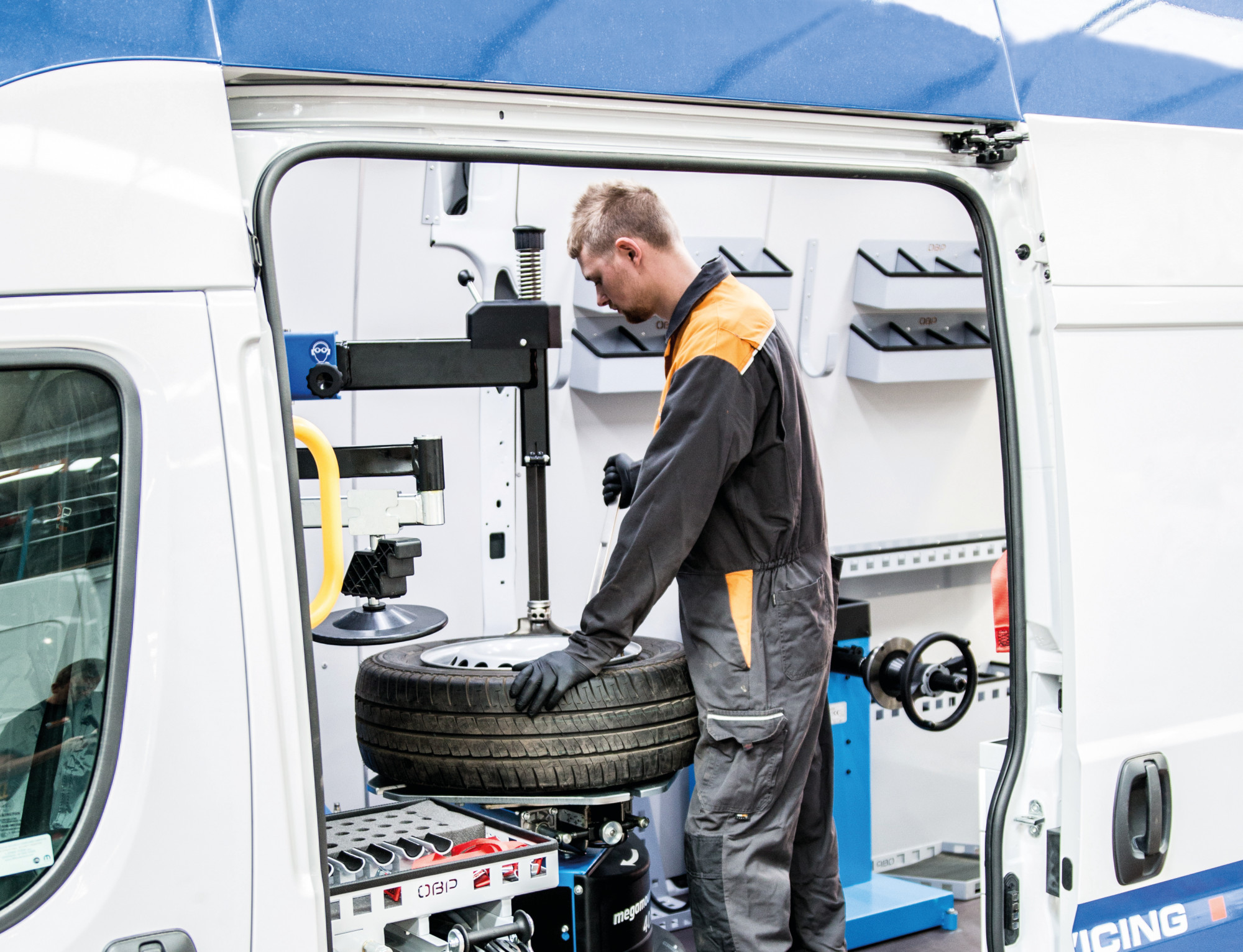
At QuickTyreFix.co.uk, all technicians arrive in branded vans, carry ID, and confirm your name and booking reference.
8. Use Your Mobile Phone Wisely
What You Should Do:
- Keep your phone charged or use a car charger if you have one
- Share your location with family or a friend if you’re alone
- Avoid unnecessary apps to preserve battery life
Apps like Google Maps or What3Words are helpful for pinpointing your exact location in unfamiliar areas.
9. Be Prepared for Weather Conditions
If it's raining, snowing, or extremely hot:
- Stay inside your car with the AC or heating running (if fuel allows)
- Keep blankets, water, and snacks in your emergency kit
- Avoid standing on slippery surfaces
Extreme temperatures can worsen tyre damage, so avoid driving until help arrives.
10. Carry an Emergency Roadside Kit
An emergency kit can make waiting safer and more comfortable. Essentials include:
- Reflective vest and warning triangle
- First aid kit
- Torch or LED light
- Blanket and water
- Phone charger or power bank
- Rain poncho or umbrella
- Basic tools (if you’re comfortable using them)
11. Use 24/7 Emergency Tyre Services Like QuickTyreFix.co.uk
We offer:
- Round-the-clock tyre fitting
- Roadside puncture repair
- Spare tyre installation
- Fast response times across cities, towns, and rural routes
Our team is trained to handle breakdowns safely and efficiently, so you don’t have to lift a finger.
Why Drivers Trust QuickTyreFix:
- Certified, uniformed technicians
- Fully equipped mobile service vans
- Affordable emergency call-out fees
- Online booking and real-time updates
- Service coverage for private cars, taxis, and vans
12. Safety Don'ts While Waiting for Tyre Help
Don’t Stand in Front or Behind the Vehicle
If another driver crashes into your car, you could be pinned or severely injured.
Don’t Attempt Major Repairs Yourself
Trying to jack up your car on soft ground or near traffic is extremely risky.
Don’t Let Your Phone Battery Die
Avoid streaming, gaming, or overusing apps—keep your phone ready for emergency use.
Don’t Accept Help from Strangers in Unlit or Isolated Areas
Stay in your car and wait for your booked tyre technician or roadside provider.
Checklist: What to Do While Waiting for Emergency Tyre Assistance
| Step | Action |
|---|---|
| 1 | Pull over to a safe spot |
| 2 | Turn on hazard lights |
| 3 | Place reflective triangle (if safe) |
| 4 | Call your emergency tyre provider |
| 5 | Stay inside the car unless unsafe |
| 6 | Lock doors and stay alert |
| 7 | Verify technician ID before exiting |
| 8 | Keep essentials close (water, phone, ID) |