Introduction
Few things are more frustrating than turning the key (or pressing the start button) and hearing nothing but silence. A weak or dead car battery is one of the leading causes of roadside breakdowns in the UK. At Quick Tyre Fix, we help drivers every day who are stranded with flat batteries, and while jump-starts or quick recharges can sometimes solve the problem, there are times when a battery is simply beyond saving.
Why Car Batteries Fail
Car batteries don’t last forever. On average, most will perform reliably for three to five years before showing signs of decline. Several factors contribute to battery failure:
- Age – The chemical reactions inside a battery weaken with time.
- Weather Conditions – Cold winters slow chemical activity, while extreme heat evaporates internal fluids.
- Short Journeys – Regular short trips prevent the battery from fully recharging.
- Electrical Loads – Using heaters, lights, and infotainment systems puts added pressure on the battery.
- Poor Maintenance – Corrosion or loose connections accelerate deterioration.
Understanding these factors helps you spot when your battery is nearing its limit.
Sign 1: Difficulty Starting the Engine
One of the first signs your battery is beyond help is slow or difficult starts.
- What You’ll Notice: The engine turns over sluggishly or requires multiple attempts to start.
- Why It Happens: A weak battery struggles to supply enough power to the starter motor.
- Why It Matters: If you ignore this sign, you risk being stranded when the battery finally gives up completely.
At Quick Tyre Fix, many of our callouts involve jump-starts, but we always advise checking whether the battery itself has reached the end of its life.
Sign 2: Dimming Lights and Electrical Issues
Your battery powers far more than just the ignition—it’s the heart of your vehicle’s electrical system.
- Symptoms: Headlights and dashboard lights appear dimmer, or electrical components like power windows and infotainment systems work inconsistently.
- Cause: A weakening battery can no longer maintain stable voltage for all systems.
- Risk: Ignoring dim lights may eventually lead to complete electrical failure while driving.
If you’re noticing multiple electrical faults at once, it’s likely the battery rather than individual components.
Sign 3: Frequent Need for Jump-Starts
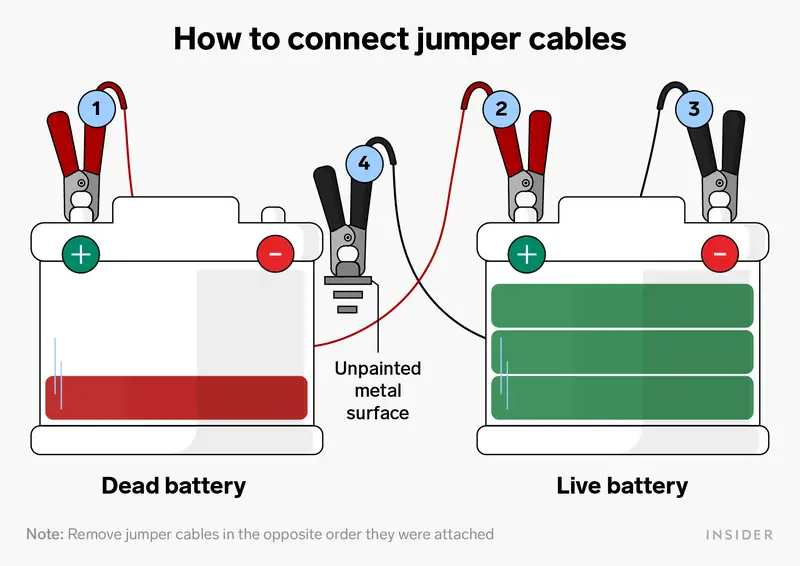
If you find yourself needing to jump-start your vehicle more than once or twice in a short period, your battery is no longer reliable.
- Occasional Dead Battery: May be caused by leaving lights on or extreme cold.
- Repeated Failures: Suggests the battery cells are worn out and unable to hold charge.
- Our Advice: A new battery is safer and more cost-effective than relying on jump-starts every few days.
Quick Tyre Fix provides fast jump-start services, but we also guide drivers on whether it’s time for a permanent solution.
Sign 4: Swollen or Leaking Battery Case
A visual inspection can often reveal when a battery is beyond help.
- Signs: Bulging, cracks, or leaks around the battery casing.
- Cause: Overheating, internal short circuits, or exposure to extreme temperatures.
- Danger: Leaking acid is corrosive and hazardous. A swollen case is a warning that the battery could fail suddenly.
If you notice physical damage, replace the battery immediately rather than attempting to recharge it.
Sign 5: Strange Smells
A failing battery sometimes emits a distinct rotten-egg smell caused by leaking sulphuric acid.
- Why It’s Serious: Acid leaks can damage surrounding components and pose health risks.
- What to Do: Do not attempt to open or repair the battery yourself—seek professional help immediately.
At Quick Tyre Fix, our roadside experts can safely inspect your system and recommend replacement if necessary.
Sign 6: Old Age
Even if your battery seems to be working fine, its age is one of the most reliable indicators of whether it’s nearing the end.
- Average Lifespan: 3–5 years depending on use and climate.
- Warning: Beyond five years, most batteries lose reliability regardless of how well they’ve been maintained.
- Proactive Replacement: Saves you from unexpected breakdowns, especially before winter.
Checking your battery’s manufacture date is an easy way to know if replacement is due.
Why Replacing a Failing Battery Matters
Some drivers try to stretch their battery as long as possible, but this often backfires. Here’s why replacing at the right time is important:
- Reliability – Avoid the stress of unexpected breakdowns.
- Vehicle Protection – Prevent damage to alternators and electrical systems caused by weak batteries.
- Safety – Ensure headlights, wipers, and other safety features work properly.
- Convenience – No more wasted time on jump-starts or waiting for roadside rescue.
How Quick Tyre Fix Can Help
At Quick Tyre Fix, we don’t just handle tyres—we provide complete roadside assistance, including battery support. Here’s what we offer:
- Jump-Start Services – Fast response to get your vehicle moving if your battery dies unexpectedly.
- Battery Health Checks – On-the-spot diagnostics to assess whether your battery can be saved or needs replacing.
- Emergency Assistance – 24/7 help across the UK, whether it’s tyres, fuel, or batteries.
- Commercial Support – Reliable solutions for fleet vehicles that can’t afford downtime.
Our goal is to get you back on the road quickly and safely, while providing clear advice on long-term fixes.