Commercial vehicles are the lifeblood of logistics, transportation, and delivery industries. Whether it’s a long-haul truck, a fleet of delivery vans, or heavy-duty construction machinery, tyres play a crucial role in ensuring safety, performance, and efficiency. But here’s the reality — commercial tyres are expensive, and premature wear can cause significant financial strain on any business.
Why Tyre Longevity Matters in Commercial Operations
Tyres are not just rubber rings that keep your vehicles moving — they are critical to safety, fuel economy, and productivity. Poor tyre maintenance can lead to:
- Increased fuel consumption due to rolling resistance
- Frequent blowouts that cause delays and costly repairs
- Uneven tread wear leading to poor grip and handling
- Shortened tyre lifespan requiring more frequent replacements
For businesses operating multiple vehicles, even a slight improvement in tyre longevity can result in substantial savings over time.
Daily Visual Inspections: The First Step in Tyre Care
A simple daily walk-around inspection can help spot issues before they turn into costly problems. Drivers or maintenance staff should check for:
- Visible cuts, cracks, or bulges in the sidewall
- Embedded debris like nails, glass, or stones
- Uneven tread wear that may indicate misalignment or suspension issues
- Tyre pressure using a reliable gauge, especially before long journeys
Even small damages can escalate into major failures if left unchecked. A proactive approach ensures that your fleet is always road-ready.
Tyre Pressure Management: The Foundation of Longevity
Correct tyre pressure is arguably the most important factor in extending tyre life. Both underinflation and overinflation can cause serious problems:
- Underinflation increases rolling resistance, leading to excessive heat build-up, faster tread wear, and higher fuel usage.
- Overinflation makes tyres rigid, reducing grip and increasing the risk of blowouts due to impacts.
Best Practices for Tyre Pressure
- Follow manufacturer recommendations — usually listed in the vehicle’s manual or on the door frame label.
- Check pressures when tyres are cold — heat from driving expands air, giving false readings.
- Use calibrated digital pressure gauges for accuracy.
- Adjust for load and operating conditions — heavy loads or high speeds may require slightly higher pressures.
Fleet managers can also invest in Tyre Pressure Monitoring Systems (TPMS) to ensure real-time pressure data and alerts for immediate action.
Wheel Alignment and Balancing: Preventing Uneven Wear
Improper alignment and balancing are silent tyre killers. If wheels are not aligned correctly, tyres can wear unevenly, drastically reducing their lifespan.
Signs of Misalignment
- Vehicle pulling to one side
- Uneven tread wear patterns
- Steering wheel vibration at high speeds
Preventative Measures
- Schedule alignment checks every 15,000–20,000 km or whenever new tyres are installed.
- Balance tyres during installation and after repairs to avoid vibrations that cause irregular wear.
Rotating Tyres for Even Wear
Commercial vehicles often carry uneven loads, meaning tyres in different positions experience different wear rates. Regular tyre rotation helps distribute wear evenly.
Rotation Guidelines
- Rotate every 10,000–12,000 km or according to manufacturer instructions.
- Use correct rotation patterns depending on whether your tyres are directional, non-directional, or staggered.
- Always check for wear before rotating to avoid moving a problematic tyre to a critical position.
Load Management: Protecting Tyres from Excess Stress
Overloading is one of the fastest ways to destroy a commercial tyre. Exceeding load capacity increases heat generation, causes sidewall stress, and can lead to catastrophic blowouts.
Best Practices
- Always adhere to the Gross Vehicle Weight Rating (GVWR).
- Distribute cargo evenly to avoid excessive stress on certain tyres.
- For heavy-duty operations, choose tyres with higher Load Index Ratings to handle demanding conditions.
Driving Habits That Impact Tyre Life
Even with perfect maintenance, poor driving habits can shorten tyre lifespan significantly.
- Avoid harsh braking and acceleration — these cause excessive heat and rapid wear.
- Take corners smoothly to reduce sidewall stress.
- Maintain safe speeds to keep tyre temperatures under control.
- Avoid potholes and curbs whenever possible to prevent structural damage.
For fleets, training drivers in fuel-efficient and tyre-friendly driving techniques can pay off in reduced wear and operating costs.
Seasonal and Climate Considerations
Different weather conditions impact tyre performance and wear.
- Hot climates increase the risk of heat build-up — maintain slightly lower loads and monitor pressures more often.
- Cold climates can cause tyres to lose pressure quickly — check more frequently and consider winter-specific compounds for better grip.
- Wet conditions require tyres with deep tread depth for effective water dispersion and aquaplaning prevention.
Choosing the Right Tyres for Your Operations
Selecting tyres that match your operational needs is critical for longevity.
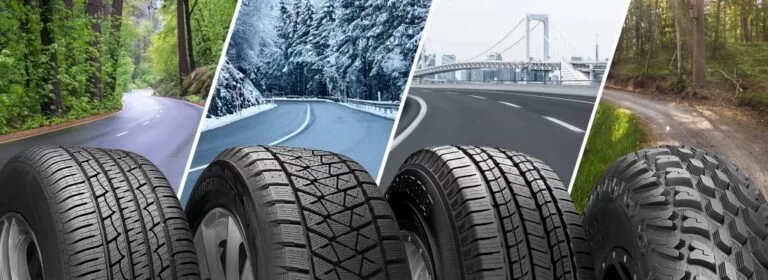
- Long-haul tyres are optimized for fuel efficiency and slow wear on highways.
- Urban delivery tyres are built to withstand frequent braking and turning.
- Off-road tyres have reinforced sidewalls and aggressive tread patterns for construction or mining work.
Always consult your supplier to ensure you’re using the best tyre type for your routes and loads.
Tyre Storage and Handling
If your fleet has seasonal or spare tyres, proper storage is vital:
- Store in a cool, dry, and dark location to prevent rubber degradation.
- Keep tyres vertically upright or stacked no more than four high.
- Protect from oil, fuel, and ozone exposure which can weaken rubber compounds.
Implementing a Fleet Tyre Maintenance Programme
A structured maintenance programme ensures consistency and accountability.
- Schedule regular inspections and track wear rates.
- Use tyre management software to log pressure checks, rotations, and replacements.
- Train staff in proper inspection and maintenance techniques.
- Partner with a professional tyre service for advanced diagnostics and repairs.