Alloy wheels are one of the most eye-catching elements of any vehicle, but they’re also one of the most exposed. Road grime, brake dust, tar, salt, and environmental contaminants constantly attack wheel finishes. Keeping alloy wheels pristine requires regular care — but should you do it yourself by hand, or pay for a professional detailing service?
1. Why Alloy Wheel Detailing Matters
1.1 Aesthetic Appeal
Alloy wheels dramatically enhance a car’s appearance. Dirt, brake dust, and corrosion undermine their visual impact and can even lower resale value.
1.2 Protective Benefits
Proper cleaning and sealing prevent oxidation, pitting, and staining, extending wheel lifespan.
1.3 Performance and Safety
Built-up brake dust and debris can interfere with brake performance and generate uneven wear. Regular detailing keeps the braking system cleaner and more efficient.
2. The Unique Challenges of Alloy Wheels
- Intricate Designs: Multi-spoke patterns, deep recesses, and split rims trap dirt.
- Varied Finishes: Painted, powder-coated, polished, diamond-cut, or clear-coated alloys require different care levels.
- Exposure to Heat: Wheels heat up during driving, baking contaminants onto surfaces.
- Environmental Damage: Road salt, tar, and acid rain can degrade finishes over time.
These challenges make the choice of detailing method especially important.
3. Hand Detailing Alloy Wheels
Hand detailing is the traditional, do-it-yourself approach to cleaning and protecting wheels.
3.1 Process Overview
- Pre-Rinse: Loosen loose dirt and debris.
- Wheel Cleaner Application: Often pH-neutral cleaners to safely break down brake dust and grime.
- Agitation: Using brushes, mitts, and microfibres to scrub spokes, barrels, and lug nut areas.
- Rinse and Dry: Thoroughly rinse off cleaner and dry to prevent water spots.
- Protective Coating: Apply wax, sealant, or ceramic coating to guard against future contamination.
3.2 Advantages of Hand Detailing
- Cost Savings: Only the cost of products and tools.
- Control: You know exactly what products are used.
- Flexibility: Can be done at home at your convenience.
3.3 Limitations of Hand Detailing
- Time-Consuming: Intricate wheels take significant time to clean thoroughly.
- Skill Dependent: Improper tools or technique can scratch finishes.
- Less Durable Protection: DIY sealants may wear off faster.
- Safety: Working on a hot day or with improper PPE may cause discomfort or minor injuries.
4. Professional Alloy Wheel Detailing
Professional detailing services specialise in deep-cleaning, restoring, and protecting alloy wheels with industrial-grade tools and products.
4.1 Process Overview
- Assessment: Inspect wheels for damage, corrosion, and contamination.
- Pre-Treatment: Apply iron removers, tar removers, and degreasers tailored to wheel finish.
- Advanced Cleaning Tools: Use of rotary brushes, steam cleaning, or high-pressure systems.
- Decontamination: Clay bars, fallout removers, and micro-abrasive pads for stubborn deposits.
- Polishing: Machine or hand polishing to restore shine on polished alloys.
- Sealing/Coating: Professional-grade ceramic coatings or high-temperature sealants.
- Optional Repairs: Some services offer curb rash repair or repainting.
4.2 Advantages of Professional Detailing
- Deeper Clean: Access to industrial chemicals and tools not available to consumers.
- Expertise: Trained professionals understand different finishes and tailor methods accordingly.
- Long-Lasting Protection: Professional coatings last much longer than consumer-grade waxes.
- Time Efficiency: Faster and more thorough than DIY.
- Value Addition: Preserves resale value and aesthetic appeal.
4.3 Limitations of Professional Detailing
- Higher Cost: Professional services cost significantly more than DIY.
- Less Control: You’re trusting someone else with your wheels.
- Scheduling: Requires appointment and possibly leaving your vehicle for hours.
5. Comparing Cleaning Power
| Feature | Hand Detailing (DIY) | Professional Detailing |
|---|---|---|
| Tools | Brushes, mitts, pH-neutral cleaner | Steam cleaners, rotary tools, iron removers |
| Protection Longevity | Wax/sealant: 1–2 months | Ceramic coating: up to 12 months or more |
| Time Investment | 30–60 min per session | 30–60 min per wheel with specialist team |
| Finish Restoration | Light polishing only | Machine polishing, repainting, repairs |
| Safety | Dependent on skill | Trained professionals, PPE and standards |
6. Protective Coatings: DIY vs Professional
6.1 DIY Sealants
Most DIYers use wheel waxes or spray-on sealants. They’re easy to apply but last only a few weeks.
6.2 Professional Ceramic Coatings
Detailers apply ceramic or silica-based coatings that:
- Withstand high brake temperatures
- Repel brake dust and contaminants
- Last 6–12 months or longer
- Provide hydrophobic, glossy finishes
This difference in coating durability is one of the biggest selling points for professional services.
7. Cost Comparison Over Time
While professional detailing costs more upfront, it may save money long-term by:
- Reducing frequency of deep cleans
- Preserving wheel finish, reducing repairs
- Maintaining resale value of vehicle
DIY may be cheaper month-to-month but requires more frequent work and product purchases.
8. Safety and Technique Considerations
8.1 Wheel Off or On?
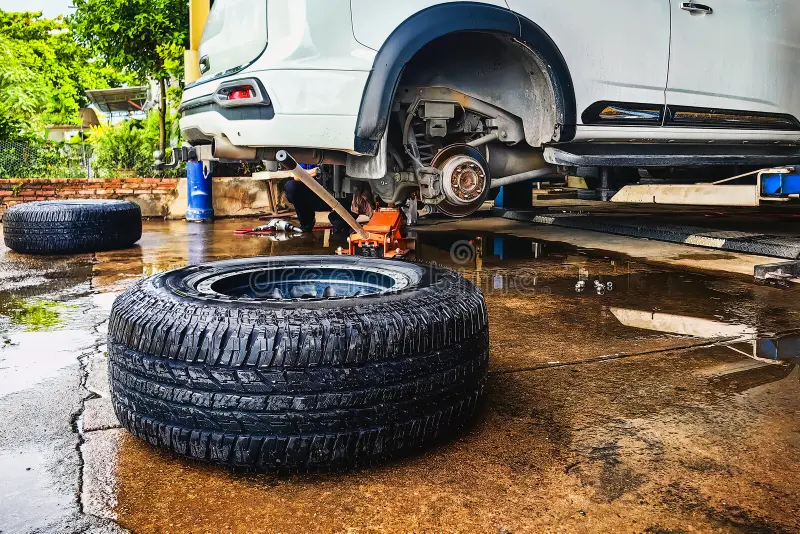
Professionals sometimes remove wheels for full access to the inner barrel, suspension-facing surfaces, and calipers. DIY detailers rarely do this due to time and equipment limits.
8.2 Product Choice
Professional-grade cleaners, iron removers, and polishes are stronger but carefully managed. DIY products are more forgiving but less potent.
8.3 Risk of Damage
Inexperienced hand cleaning can cause micro-scratches or remove protective coatings. Professionals minimise this risk with soft brushes, controlled pressure, and proper chemical dilution.
9. The Role of Regular Maintenance
Whether you choose DIY or professional services, regular maintenance is key:
- Frequent washes prevent brake dust build-up.
- Reapplying protective coatings maintains longevity.
- Immediate cleaning after long trips or harsh conditions preserves finishes.
10. When to Choose Professional vs Hand Detailing
Opt for Professional Detailing When:
- Wheels have heavy contamination or visible corrosion.
- You want long-term ceramic protection.
- You’re preparing your car for sale or show.
- You lack time or tools for deep cleaning.
Opt for Hand Detailing When:
- Wheels are lightly soiled and regularly maintained.
- You enjoy DIY car care and want control over products.
- You’re on a budget but can invest time.
11. Future Trends in Alloy Wheel Care
- Self-Cleaning Coatings: Nano-ceramic and graphene technologies.
- Eco-Friendly Cleaners: More pH-neutral, biodegradable products.
- Automated Wheel Cleaning Systems: Robotics at detailing shops for precision cleaning.
- Mobile Professional Services: On-site detailing vans for convenience.