When it’s time to buy new tyres, one question many drivers ask is:
“Should I choose run-flat or regular tyres?”
It’s a great question — and the answer depends on your driving habits, vehicle type, budget, and comfort preferences.
At QuickTyreFix.co.uk, we help thousands of drivers across the UK choose the right tyres for their needs. In this expert guide, we’ll break down the differences between run-flat and regular tyres, their pros and cons, and how to decide what’s best for your vehicle.
What Are Run-Flat Tyres?
Run-flat tyres are specially designed to keep working even after a puncture. Instead of going completely flat, they maintain their shape and allow you to continue driving for a limited distance — usually up to 50 miles at 50mph — giving you time to reach a garage or safe location.
They achieve this through:
- Reinforced sidewalls that support the vehicle
- Heat-resistant materials that delay total tyre failure
- TPMS (Tyre Pressure Monitoring System) dependency to alert drivers of punctures
These tyres are often standard on many BMWs, Mercedes, Mini Coopers, Lexus, and other premium vehicles.
What Are Regular Tyres?
Regular tyres, also known as conventional or standard tyres, are the type most vehicles are equipped with. When punctured, they lose air immediately, leading to a flat tyre that must be changed or repaired.
They typically offer:
- More flexibility in brand and pricing
- Greater ride comfort
- The need for a spare tyre or puncture repair kit
Run-Flat vs Regular Tyres: Key Differences
| Feature | Run-Flat Tyres | Regular Tyres |
|---|---|---|
| Can Drive After Puncture | Yes (up to 50 miles at reduced speed) | No (immediate air loss) |
| Sidewall Construction | Reinforced | Standard |
| Comfort | Slightly stiffer ride | Smoother, more comfortable |
| Puncture Repairable? | Often not | Usually repairable (if within limits) |
| Cost | More expensive | More budget-friendly |
| Availability | Limited (specific models & sizes) | Widely available |
| Spare Tyre Needed? | No (usually omitted by manufacturers) | Yes (or a tyre repair kit) |
| Vehicle Compatibility | Mostly premium models with TPMS | Compatible with all vehicle types |
Pros and Cons of Run-Flat Tyres
Pros:
- No need for a spare tyre
- Drive safely after a puncture
- Saves space and weight in the boot
- Ideal for motorway or long-distance drivers
Cons:
- Harsher ride comfort due to stiffer sidewalls
- More expensive to replace
- Often not repairable after punctures
- Limited brand and size availability
Pros and Cons of Regular Tyres
Pros:
- More affordable
- Better ride quality and comfort
- Greater choice of brands and performance levels
- Puncture repair is often possible
Cons:
- Unsafe to drive after a puncture
- Requires a spare tyre or breakdown cover
- More vulnerable on rural or remote roads
When Should You Choose Run-Flat Tyres?
Run-flat tyres might be the best choice for you if:
- You frequently drive long distances or on motorways
- Your car already comes equipped with run-flats (e.g., BMW, Lexus, Mini)
- You want the convenience and safety of not stopping immediately after a puncture
- You don’t want to carry a spare tyre
Note: If your car is designed for run-flats and has no spare wheel space, switching to regular tyres may not be advisable without modifications or emergency kits.
When Are Regular Tyres the Better Choice?
Regular tyres may be better suited if:
- You drive mainly around town or short distances
- Ride comfort is important to you
- You’re budget-conscious
- You want the option of repairing punctures to save on replacements
- Your vehicle is not equipped with a TPMS system
Run-Flat Tyres and TPMS — Why It Matters
A critical part of using run-flat tyres safely is a Tyre Pressure Monitoring System (TPMS). Since run-flats don’t visually flatten when punctured, you won’t know there’s a problem unless the TPMS alerts you.
If your vehicle doesn't have TPMS, run-flat tyres should not be installed, as this can pose safety risks.
Are Run-Flat Tyres Repairable?
In most cases, run-flat tyres are not repairable, especially if they’ve been driven on after a puncture. The internal structure may have weakened even if no visible damage exists.
At QuickTyreFix.co.uk, we always:
- Inspect run-flat tyres using advanced tools
- Only recommend repairs if fully compliant with BS AU 159 standards
- Offer on-the-spot replacements when needed
How QuickTyreFix.co.uk Helps You Choose the Right Tyre
We understand that every driver and vehicle is different. That’s why we offer:
- Expert advice based on your vehicle, budget, and driving style
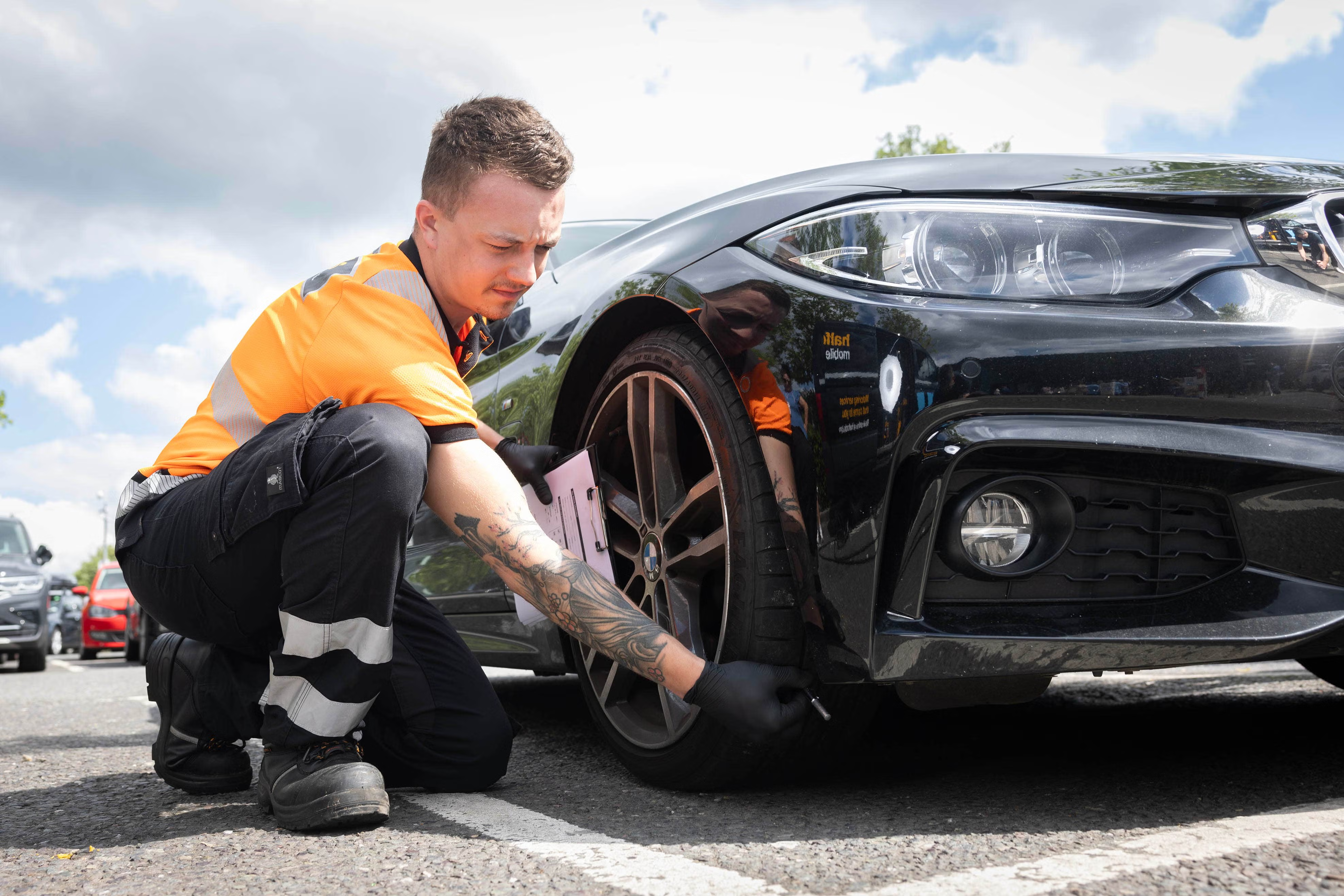
- On-site tyre inspections to help determine if you need repair or replacement
- Wide range of both run-flat and regular tyres
- Mobile fitting anywhere in the UK — roadside, home, or workplace
- Instant quotes and transparent pricing
Our Trusted Tyre Brands (Run-Flat & Regular)
We supply and fit top-quality tyres from:
- Michelin
- Continental
- Bridgestone
- Pirelli
- Hankook
- Goodyear
- Kumho
- Budget-friendly alternatives
We also ensure proper wheel balancing, valve replacement, and TPMS checks with every fitting.
Tyre Services Available at QuickTyreFix.co.uk
- Mobile Tyre Fitting (Run-Flat & Regular)
- Emergency Tyre Replacement
- Puncture Repair (where safe/legal)
- TPMS Sensor Installation & Reset
- Locking Wheel Nut Removal
- Tyre Pressure Checks
- Wheel Balancing & Alignment
We make tyre replacements fast, stress-free, and professional — all with the convenience of mobile service.