When your car battery dies unexpectedly, it can throw your plans into chaos. A jump-start can get you back on the road quickly, but doing it incorrectly can damage your vehicle—or worse, cause serious injury. Following a proper jump-start safety checklist ensures you restart your car without risking your safety or your vehicle’s electrical system.
Why Jump-Start Safety Matters
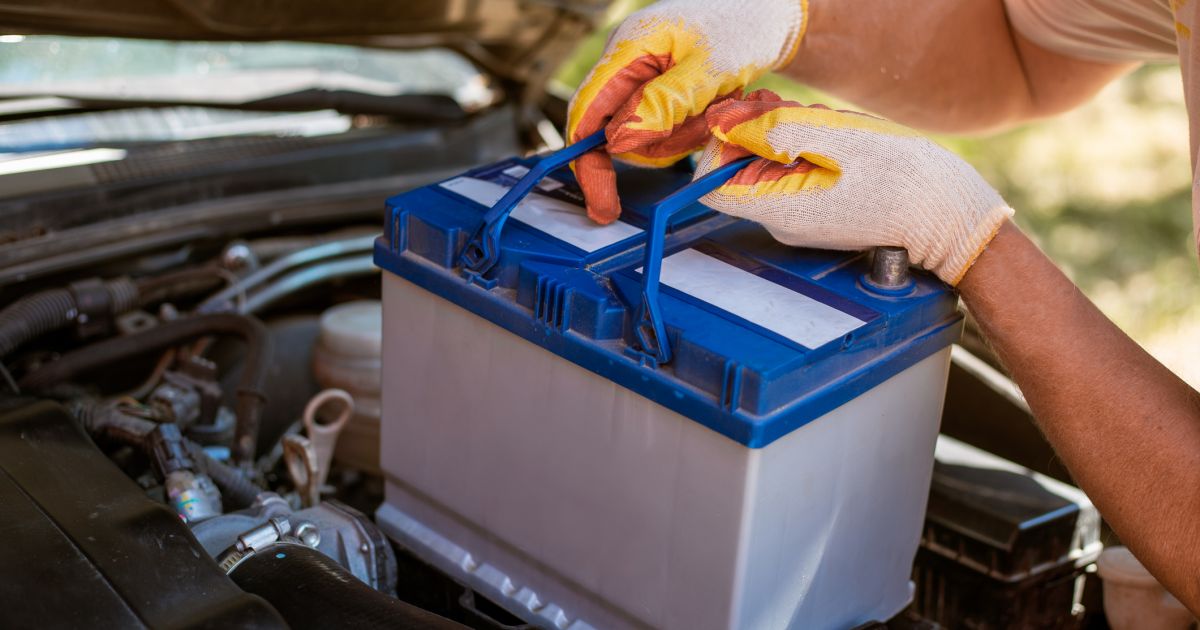
A car battery stores a large amount of electrical energy. Mishandling it can lead to:
- Electrical sparks or explosions from battery gases.
- Severe burns from acid leaks.
- Damage to sensitive electronics like your ECU (engine control unit).
- Fire hazards if cables are attached incorrectly.
Professional roadside assistance services like those offered by Quick Tyre Fix have trained technicians who follow industry safety protocols—but if you need to do it yourself, you must know the correct procedure.
Before You Start – Safety Preparation
Before attempting a jump-start:
- Read your vehicle’s manual – Some modern cars, especially hybrids and EVs, have specific jump-start points and require special procedures.
- Check for visible damage – Cracked battery casing, leaking acid, or melted cables are signs you need professional help, not a DIY jump-start.
- Wear protective gear – Safety glasses and gloves are recommended to protect against acid or sparks.
- Ensure good lighting – If it’s dark, use a torch or vehicle hazard lights to see clearly.
- Park in a safe location – Away from traffic, on level ground, and with hazard lights on.
The Tools You’ll Need
To jump-start a car safely, gather the right equipment:
- A set of quality jump leads (booster cables) – Thick, well-insulated cables with strong clamps.
- A working donor vehicle – With a fully charged battery of the same voltage (most cars use 12 volts).
- Safety gloves and goggles – For personal protection.
- A clean, dry rag – To wipe battery terminals if dirty.
- Optional: Portable jump starter – Safer than cables and ideal if another vehicle isn’t available.
Step-by-Step Jump-Start Safety Checklist
1. Position the Vehicles Correctly
- Park the donor vehicle close enough for cables to reach but without touching.
- Engage parking brakes on both vehicles.
- Turn off both engines and remove the keys.
2. Identify Battery Terminals
- Red (+) terminal – Positive
- Black (–) terminal – Negative
- Make sure terminals are clean and free of corrosion. If corroded, clean gently with a rag before connecting.
3. Connect the Cables in the Correct Order
Order matters—follow this sequence to avoid sparks or short circuits:
- Red cable to dead battery (+) terminal.
- Red cable to donor battery (+) terminal.
- Black cable to donor battery (–) terminal.
- Black cable to an unpainted metal surface on the dead vehicle’s engine block or chassis—not the negative terminal.
(This helps prevent sparks near the battery.)
4. Start the Donor Vehicle
- Let it run for 2–3 minutes to allow the dead battery to build some charge.
- Avoid revving excessively—steady idle is safest.
5. Start the Dead Vehicle
- Turn the ignition and see if the engine starts.
- If it doesn’t, wait another 2–3 minutes and try again.
- If after 3 attempts it still won’t start, stop—further attempts could cause damage.
6. Disconnect the Cables in Reverse Order
Once the dead vehicle is running:
- Remove the black cable from the grounded metal surface.
- Remove the black cable from the donor battery.
- Remove the red cable from the donor battery.
- Remove the red cable from the previously dead battery.
7. Let the Engine Run
- Keep the jump-started vehicle running for at least 20–30 minutes.
- Drive it if possible—alternators charge better while driving than idling.
Extra Safety Tips for Jump-Starting
- Avoid sparks near the battery – Batteries release hydrogen gas which can ignite.
- Don’t let cable clamps touch once connected—they can short out and cause burns.
- Check voltage compatibility – Using a higher-voltage battery can fry your car’s electronics.
- Be cautious with hybrid/electric vehicles – Many require specialist equipment.
- Call professionals if unsure – Quick Tyre Fix roadside experts can handle the process quickly and safely.
When to Skip DIY and Call a Professional
If you notice:
- A strong rotten-egg smell (sulfur gas from the battery).
- Swollen or bulging battery casing.
- Severe corrosion or loose cables.
- Unusual clicking noises from under the hood.
It’s safer to call a 24/7 breakdown service. Professionals have diagnostic tools to confirm if your battery is dead or if the problem lies elsewhere, such as the alternator or starter motor.
Benefits of Professional Jump-Start Services
Using an emergency roadside service like Quick Tyre Fix offers:
- Faster response times—no searching for help.
- Correct tools and cables for safe starts.
- No risk to your electronics from incorrect connections.
- Peace of mind knowing your battery and charging system are checked after the jump.