Introduction
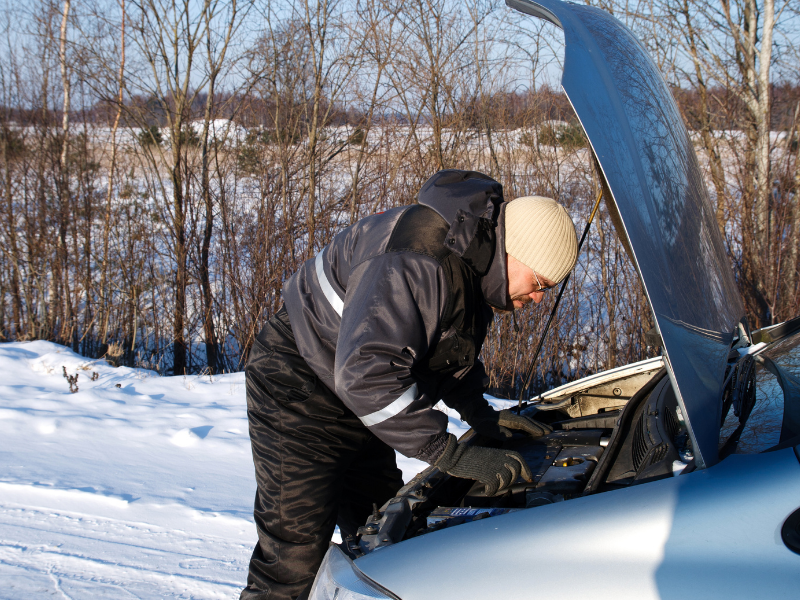
Every driver in the UK dreads that sinking feeling when the ignition clicks, the dashboard flickers, but the engine refuses to roar to life. A flat battery is one of the most common causes of roadside breakdowns, especially in colder months, and often requires a jump-start service to get drivers moving again.
1. Ford Fiesta
The Ford Fiesta has been the UK’s best-selling car for years, and with popularity comes higher numbers of breakdown reports. Its widespread use by students, commuters, and families means it frequently tops roadside assistance callouts.
- Why it needs jump-starts often:
- Many Fiesta models use compact batteries that degrade faster with heavy urban use.
- Frequent short trips don’t give the alternator enough time to recharge the battery fully.
- Older models (pre-2010) are especially prone to winter battery failures.
2. Vauxhall Corsa
Another household name on UK roads, the Vauxhall Corsa often appears on the list of cars needing roadside help. Popular with first-time drivers, it suffers from battery-related callouts more than average.
- Key factors:
- City driving and stop-start traffic put additional strain on the electrical system.
- Owners often overlook routine battery maintenance.
- Higher instances of older Corsas still in circulation increase breakdown rates.
3. Volkswagen Golf
The VW Golf is a durable and versatile car, but its advanced technology means its electrical demand is higher than simpler models.
- Why jump-starts are common:
- Modern Golfs are packed with infotainment systems, heated seats, and digital displays that drain the battery when not maintained.
- Owners sometimes underestimate how parasitic drains (such as interior lights or chargers) can affect battery life.
- Cold-weather sensitivity: Diesel variants struggle more in freezing conditions.
4. BMW 3 Series
The BMW 3 Series is one of the most popular executive cars in the UK, but luxury comes with power-hungry features.
- Battery drain causes:
- High-tech systems such as iDrive, advanced climate control, and onboard computers.
- Vehicles are often used for shorter commutes where batteries are not fully recharged.
- Premium batteries are costly, so owners sometimes delay replacements, increasing jump-start needs.
5. Nissan Qashqai
As the UK’s most popular SUV, the Nissan Qashqai sees frequent jump-start callouts. It’s a favourite for families but can still fall victim to common battery-related issues.
- Factors behind breakdowns:
- Stop-start technology puts extra strain on the battery.
- Many Qashqais are used for school runs and errands, meaning short trips and frequent starts.
- Cold weather affects larger diesel models more severely.
6. Mercedes-Benz C-Class
The Mercedes C-Class blends style with performance but also brings complexity. Advanced systems consume significant battery power.
- Common issues:
- Electronic steering locks and sensors demand consistent voltage.
- Standby electrical draw can flatten batteries if vehicles aren’t driven regularly.
- Many UK owners use these cars for shorter city journeys, accelerating battery decline.
7. Mini Cooper
The Mini Cooper, popular for its design and agility, is also a regular in jump-start statistics.
- Why it’s vulnerable:
- Compact battery size compared to energy demands.
- Younger drivers often leave lights or accessories running, draining batteries overnight.
- Cold winter mornings disproportionately affect smaller batteries.
8. Audi A3
A stylish, high-performance hatchback, the Audi A3 requires advanced electrical systems that put the battery under strain.
- Typical problems:
- Higher electrical loads from technology features.
- Ageing models (early 2000s–2010s) with original wiring can develop parasitic drains.
- Stop-start systems increase jump-start requests.
9. Toyota Yaris
While Toyota cars are known for reliability, the Yaris still features on roadside jump-start lists due to usage patterns.
- Causes of flat batteries:
- Commonly used for city driving with short distances.
- Hybrid variants (Yaris Hybrid) rely on auxiliary 12V batteries that can fail if unused for long periods.
- Owners often assume Toyota reliability means less need for battery checks.
10. Hyundai i10
Compact and efficient, the Hyundai i10 is a favourite among city drivers and learners—but smaller batteries mean more vulnerability.
- Reasons for frequent jump-starts:
- Budget-friendly models often use smaller capacity batteries.
- Short-distance driving is common, particularly in urban centres.
- Lights or electrics left on overnight quickly drain the battery.
Why These Models Stand Out
The most common thread across these cars isn’t poor engineering—it’s usage. Factors that increase the need for jump-starts include:
- Short trips: Batteries never fully recharge, especially in cities.
- High electrical demand: Modern infotainment, heated systems, and stop-start tech strain batteries.
- Cold UK climate: Winters shorten battery lifespans and cause sudden failures.
- Older vehicles: Popular models with high ownership numbers naturally generate more breakdown statistics.
How UK Drivers Can Reduce Jump-Start Emergencies
- Regular Battery Health Checks: A quick inspection every 6 months helps catch problems early.
- Invest in Quality Batteries: Opt for higher capacity or premium batteries if your car is electrically demanding.
- Avoid Short-Trip Patterns: Occasionally take longer drives to allow the alternator to recharge the battery fully.
- Switch Off Accessories: Dashcams, chargers, and lights should be unplugged when not in use.
- Be Prepared: Keep jump leads or a portable booster in the boot—but rely on professional roadside services if unsure.
The Role of Professional Jump-Start Services
Despite best efforts, flat batteries can still strike without warning. That’s why professional assistance is crucial:
- Quick Response: Services like QuickTyreFix.co.uk provide rapid roadside jump-starts.
- Safe Handling: Modern cars with sensitive electronics can be damaged by improper jump-starting—trained technicians eliminate that risk.
- Battery Replacement Options: If the battery is beyond recovery, roadside teams can often replace it on the spot.
- Nationwide Coverage: UK-wide assistance ensures help is never too far away.