When you’re faced with a tyre emergency, knowing exactly what to do can save time, money, and possibly your safety. Whether you’re stuck on the motorway or dealing with a slow puncture on a rainy day, this expert-approved checklist by QuickTyreFix.co.uk ensures you’re fully prepared.
1. What Is a Tyre Emergency?
Before diving into the checklist, it’s important to understand what qualifies as a tyre emergency. These situations may include:
- A flat tyre or blowout while driving
- Sudden loss of air pressure
- A puncture caused by nails or sharp debris
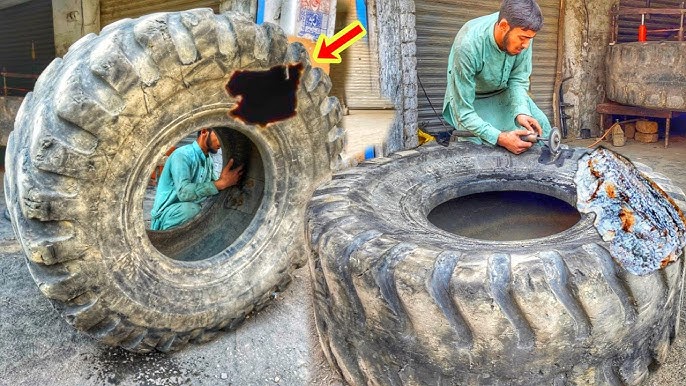
- Cracked or damaged sidewalls
- A bulge indicating structural tyre failure
- A tyre that's come off the rim
Each of these issues can leave your vehicle immobilized or unsafe to drive. QuickTyreFix.co.uk is here to help you react smartly.
2. Immediate Safety Steps
When a tyre emergency strikes, your first focus should be safety.
Pull over safely: Move your car to a flat, safe area away from traffic.
Turn on hazard lights: Alert other drivers, especially if you’re on a busy road or motorway.
Apply handbrake: Secure your vehicle to prevent rolling.
Use warning triangle: Place it at least 45 meters behind your vehicle if it's safe to do so.
Exit cautiously: Always exit the vehicle from the side away from oncoming traffic.
3. Inspect the Damage
Next, perform a visual inspection (if safe):
Check for punctures or objects embedded in the tyre
Assess tyre pressure – visually or with a gauge
Look for cracks or bulges
Check all tyres – Sometimes more than one is affected
Take photos of the damage – this may help if you need to file an insurance claim or need proof for repair services.
4. Don’t Drive on a Flat Tyre
Driving on a flat tyre can:
- Ruin the wheel rim
- Cause permanent tyre damage
- Reduce control of your vehicle
If you’re unsure whether your tyre is driveable, it’s always safer to call QuickTyreFix.co.uk for on-site inspection or emergency assistance.
5. Tyre Emergency Essentials to Keep in Your Vehicle
Be proactive by keeping the following items in your car:
Spare tyre or space saver
Tyre jack and wrench
Tyre sealant or inflator kit
Digital tyre pressure gauge
Reflective vest
Warning triangle
Torch with batteries
Raincoat or umbrella
Gloves and cleaning cloth
These tools will support you during minor emergencies or while waiting for professionals to arrive.
6. When to Call QuickTyreFix.co.uk
Emergency situations that require professional help:
- No spare tyre available
- Damaged wheel rim
- Locked lug nuts or missing tools
- Tyre beyond repair
- Multiple tyre failures
- Stuck in poor weather or on a motorway
Our mobile tyre technicians at QuickTyreFix.co.uk arrive quickly to repair or replace your tyre on the spot—24/7 across [insert region].
7. Flat vs. Blowout – Know the Difference
- Flat Tyre: Gradual or sudden loss of air pressure
- Blowout: Rapid air loss caused by impact or failure, often at high speed
Both require immediate attention, but a blowout is more dangerous and may leave debris on the road. In both cases, contact QuickTyreFix.co.uk immediately for expert assistance.
8. Tyre Repair or Replacement?
Here’s a quick guide:
| Condition | Fix |
|---|---|
| Small puncture (<6mm) | Tyre repair |
| Sidewall damage | Tyre replacement |
| Tread depth < 1.6mm | Tyre replacement |
| Nail embedded in tread | Possible repair |
| Bulge or split | Tyre replacement |
Our professionals inspect and explain the best option to ensure your safety.
9. Mobile Tyre Fitting Services
Skip the hassle of visiting a garage. QuickTyreFix.co.uk brings the garage to you with mobile tyre services, including:
- Emergency call-outs
- Tyre repair and replacement
- Seasonal tyre changes
- Pressure checks and balancing
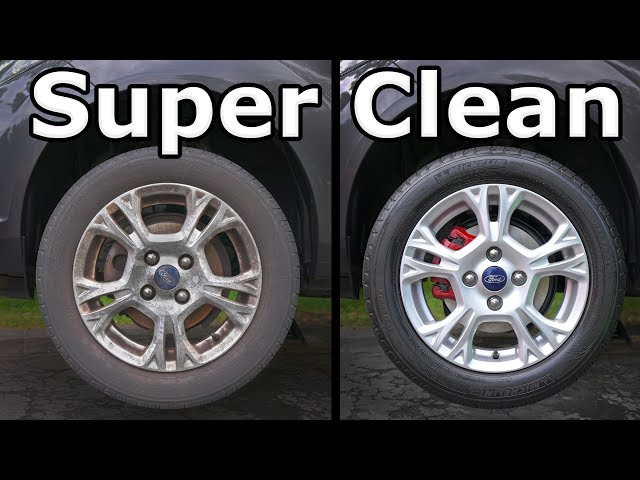
- Alloy wheel cleaning
Available 24/7, our expert team is just a call away.
10. Prevent Future Tyre Emergencies
Regular tyre maintenance can save you from most emergencies:
- Check pressure weekly
- Inspect for wear and tear
- Rotate tyres every 6,000–8,000 miles
- Get alignment and balancing done annually
- Replace tyres before they become unsafe
Use QuickTyreFix.co.uk’s mobile service to schedule regular checks at your convenience.