Table of Contents
- Introduction
- Why Tyre Health Matters
- Top Warning Signs You Need a Tyre Replacement
- Visual Cues: What to Look For
- Performance-Based Clues
- Risks of Delaying Tyre Replacement
- How QuickTyreFix.co.uk Makes Tyre Replacement Easy
- When to Replace vs. Repair
- Pro Tips for Extending Tyre Life
1. Introduction
Tyres are one of the most vital components of your vehicle—yet they’re often overlooked until something goes wrong. A worn-out tyre not only affects your driving performance but can also be extremely dangerous. At QuickTyreFix.co.uk, we believe safety should never be compromised. That’s why we’re here to help you recognize the early warning signs that it’s time for a tyre replacement.
In this blog, we’ll walk you through everything you need to know—from visible wear and tear to subtle performance changes—so you can avoid breakdowns and drive with peace of mind.
2. Why Tyre Health Matters
Your tyres are the only part of your car that actually touch the road. This makes them critical for:
- Traction and Grip
- Braking Efficiency
- Handling and Stability
- Fuel Efficiency
Driving on worn or damaged tyres can lead to longer braking distances, poor handling, tyre blowouts, and even MOT failures. Replacing tyres before they become a hazard is one of the most important maintenance steps for any driver.
3. Top Warning Signs You Need a Tyre Replacement
Here are the key indicators that your tyres need replacing ASAP:
Tread Wear Below Legal Limit
UK law requires a minimum tread depth of 1.6mm across the central three-quarters of the tyre. Anything less is unsafe and illegal.
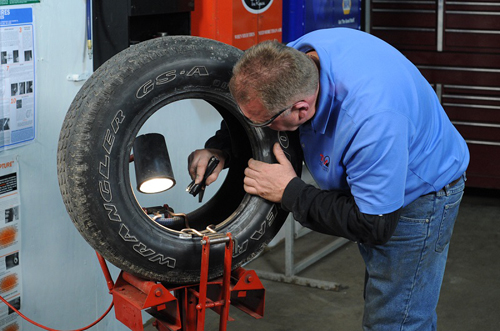
Cracks or Splits in the Sidewall
Visible cuts or cracks can mean the rubber is breaking down, which increases the risk of a blowout.
Frequent Loss of Air Pressure
If you’re constantly refilling your tyres, you might have slow punctures or internal damage that can't be repaired.
Bulges or Blisters
These are signs of internal structural failure and require immediate replacement.
Uneven Wear
One part of the tyre may wear faster due to misalignment, suspension issues, or poor inflation.
If you notice any of these signs, it’s time to contact QuickTyreFix.co.uk for a fast and reliable tyre replacement service.
4. Visual Cues: What to Look For
Sometimes, a quick visual inspection is all it takes to determine whether your tyres are due for a change.
Tread Depth Indicator Bars
Modern tyres come with small rubber bars inside the tread. If they’re flush with the tread, it’s time for new tyres.
Colour or Texture Changes
Tyres that appear shiny, glossy, or overly smooth in places are dangerously worn.
Damage from Objects
Look out for embedded nails, glass, screws, or other debris that might have caused internal damage.
Tyre Age
Even if your tyre looks fine, it's not safe to drive on tyres older than 6 years. Rubber degrades over time, affecting grip and durability.
Need help checking these signs? Our QuickTyreFix.co.uk mobile technicians can come to your location and inspect your tyres professionally.
5. Performance-Based Clues
Not all signs are visual—some show up while driving.
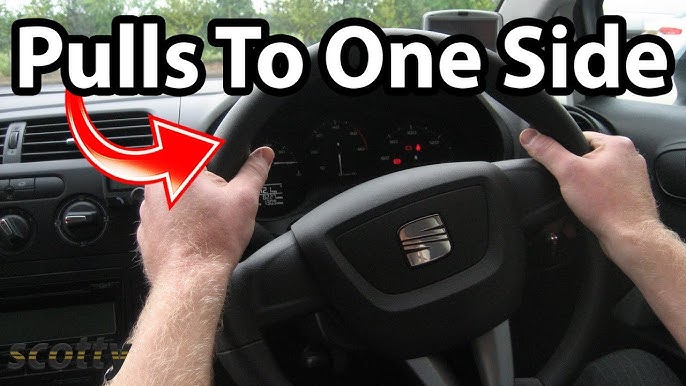
Your Car Pulls to One Side
This could be due to uneven wear or misalignment caused by a worn tyre.
Steering Feels Loose or Shaky
Worn tyres affect how your vehicle handles, especially at higher speeds.
Increased Stopping Distance
If your car takes longer to stop, poor tyre grip could be the culprit.
Loud Road Noise
Old tyres can create excess noise due to uneven tread wear or internal damage.
When your car starts behaving differently, it’s time to let QuickTyreFix.co.uk take a closer look.
6. Risks of Delaying Tyre Replacement
Delaying tyre replacement doesn’t just affect comfort—it puts your safety at serious risk.
Blowouts at High Speed
Old or worn tyres are more likely to rupture, especially on motorways.
Poor Wet-Weather Performance
Worn treads can’t channel water effectively, leading to hydroplaning.
Suspension Damage
Driving on uneven tyres affects alignment and suspension components.
Legal Penalties
You could face fines of up to £2,500 per tyre and penalty points on your license.
With QuickTyreFix.co.uk, replacing tyres is fast, affordable, and convenient—so there’s no reason to take chances.
7. How QuickTyreFix.co.uk Makes Tyre Replacement Easy
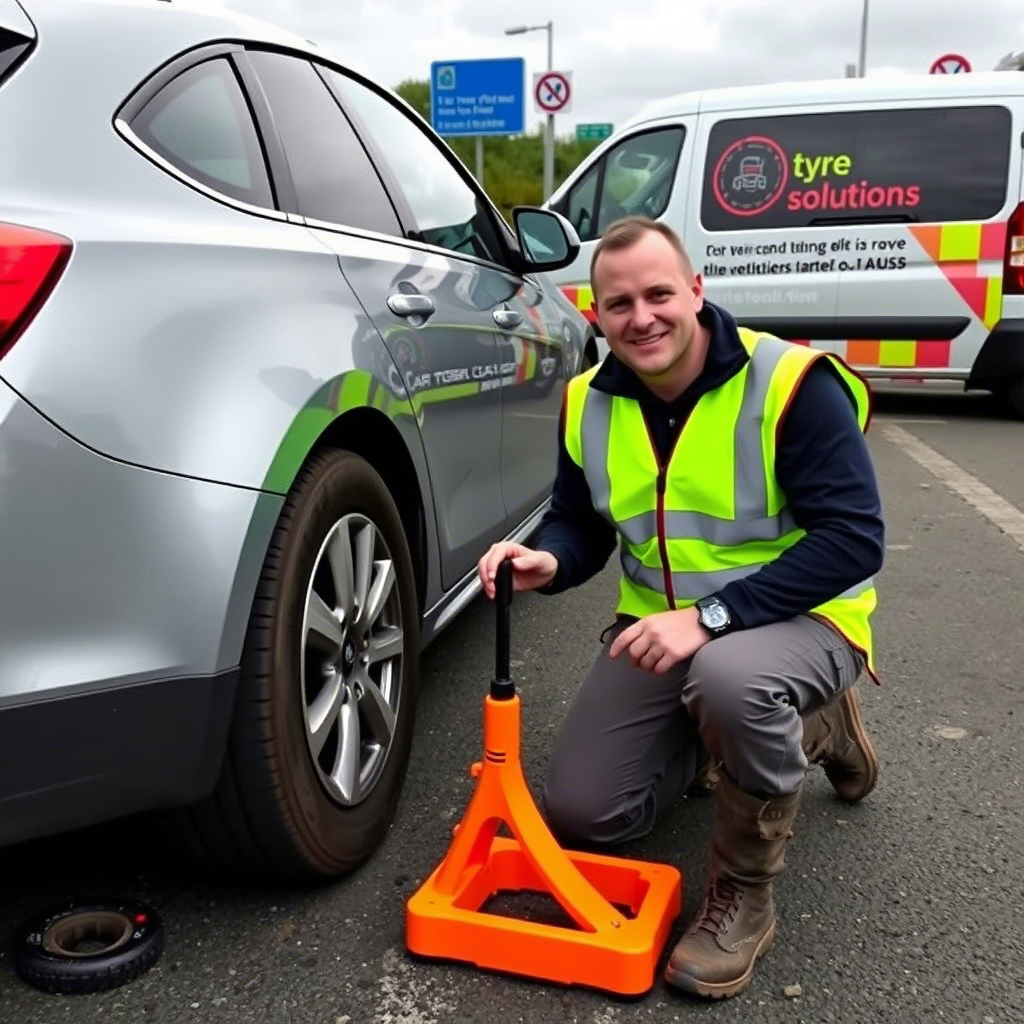
We know you’re busy, which is why QuickTyreFix.co.uk brings professional tyre replacement services to your location—whether you're at home, work, or on the roadside.
? What We Offer:
- 24/7 mobile tyre fitting across the UK
- Wide selection of premium and budget tyres
- On-the-spot balancing and installation
- Instant diagnosis if you’re unsure whether replacement is needed
- Full tread and pressure check
- Transparent pricing with no hidden fees
No need to waste time at a garage—we come to you with all the tools and expertise to get the job done quickly and safely.
8. When to Replace vs. Repair
It’s a common question: can this tyre be repaired, or does it need replacing?
When Repair Might Be Possible:
- Small puncture in the tread area (not the sidewall)
- No visible cracks or structural damage
- Tread depth is still within legal limits
- Tyre is not older than 5–6 years
When Replacement Is Required:
- Puncture in the sidewall
- Bulges or exposed cords
- Tread depth below 1.6mm
- Multiple punctures or patches
- Cracking, dry rot, or visible damage
- Age-related degradation
QuickTyreFix.co.uk’s mobile technicians will evaluate the damage and give you honest advice—no pressure, just safety-first guidance.
9. Pro Tips for Extending Tyre Life
Want to avoid premature tyre replacement? Follow these tips from the experts at QuickTyreFix.co.uk:
Rotate Your Tyres
Every 6,000 to 8,000 miles to ensure even wear.
Keep Tyres Properly Inflated
Under- or over-inflation causes uneven wear and affects performance.
Get Your Wheels Aligned
Misalignment causes premature edge wear and steering issues.
Wash Off Road Salt and Debris
Especially during winter months—salt accelerates tyre and rim corrosion.
Check Tyre Age Annually
Even if the tread looks fine, older tyres are still dangerous.
Quick checks and smart habits go a long way—and if you ever need help, QuickTyreFix.co.uk is just a call away.