Introduction
Running out of fuel or experiencing a flat tyre can bring your journey to an unexpected halt. Whether you're commuting to work, travelling with family, or stuck on a remote road, these situations require fast and efficient roadside support. That’s where Quick Tyre Fix Emergency Fuel Delivery Services come in. These services are designed to help you get back on the road swiftly, safely, and without unnecessary stress.
Step-by-Step Process of a Quick Tyre Fix Emergency Fuel Delivery Call
1. Initiating the Call
When your vehicle suddenly stops due to fuel shortage or tyre trouble, your first action is to contact a roadside assistance provider that offers emergency fuel delivery and tyre repair.
- Call or App Request: You can usually call a helpline number or request service via a mobile app.
- Location Sharing: Your real-time GPS location is either automatically sent through the app or given over the phone.
- Problem Description: Clearly explain the issue—whether it’s a flat tyre, low fuel, or both.
- Vehicle Details: Share your vehicle type, registration number, fuel type (petrol/diesel), and any other important notes.
2. Dispatching the Mobile Unit
Once your details are confirmed, a technician or mobile mechanic is dispatched to your location.
- Estimated Arrival Time (ETA): You’ll be informed of how long it will take for help to arrive, typically within 30 to 60 minutes depending on your location.
- Real-Time Tracking: Some providers offer GPS tracking so you can see the technician’s route in real time.
- Prepared Technician: The technician will carry everything needed, including fuel, air compressors, sealants, and tyre repair tools.
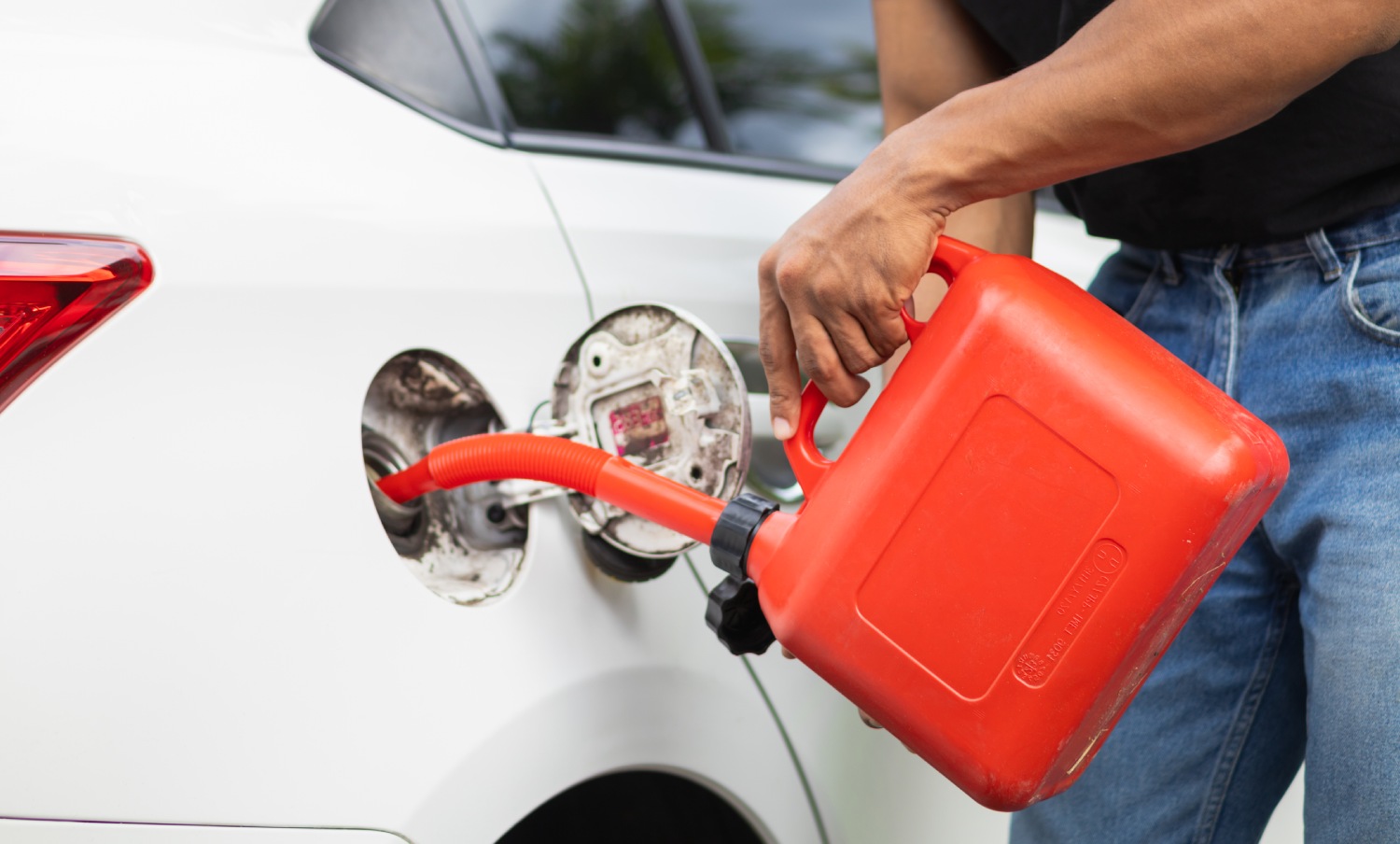
3. On-the-Spot Fuel Delivery
If the issue is a lack of fuel, the technician will:
- Identify Correct Fuel Type: They will double-check the required fuel type to avoid any issues.
- Safe Refuelling: The technician will safely refuel your car with enough petrol or diesel to get you to the nearest station or your destination.
- Engine Check: If the engine doesn’t start immediately, they may perform a quick diagnostic check.
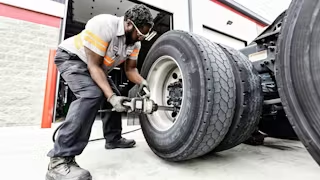
4. Tyre Inspection and Fix
If you’ve experienced a flat tyre:
- Visual Inspection: The technician examines the tyre for punctures, tears, or embedded objects.
- Tyre Sealant Application: If the damage is minor, a tyre sealant may be used to temporarily patch the hole.
- Inflation: The tyre is reinflated using a portable air compressor.
- Wheel Change: If necessary and if you have a spare, the technician will replace the damaged tyre.
- Safety Check: Ensures your tyres are inflated to the correct pressure and balanced well enough for continued travel.
5. Safety Protocols
Technicians follow strict safety procedures:
- Hazard Lights and Cones: They place safety cones and wear high-visibility gear to alert oncoming traffic.
- Safe Working Area: The area around the vehicle is secured to prevent accidents.
- Driver Safety: You may be advised to stay inside the vehicle or stand in a safe zone nearby.
6. Additional Services if Needed
Some emergency service providers go beyond just fuel and tyres:
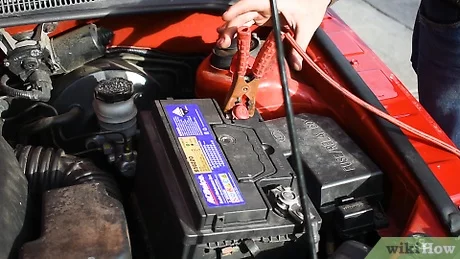
- Battery Jump Start: If the battery is also dead, jump-starting services may be offered.
- Basic Diagnostics: Quick check-up for minor electrical or mechanical faults.
- Tow Truck Arrangement: If the issue cannot be resolved on-site, a tow truck is arranged.
7. Payment and Completion
After the service is completed:
- Digital Invoice: You receive a detailed invoice via email or SMS.
- Payment Options: Payments are usually accepted via card, contactless, or mobile apps.
- Feedback Request: You might be asked to leave a review or rate the service.
Benefits of Using Quick Tyre Fix Emergency Fuel Delivery Services
- Fast Response Times: Most providers aim to reach your location in under an hour.
- 24/7 Availability: Services are available round-the-clock, including weekends and holidays.
- Convenience: No need to leave your car or walk to a fuel station.
- Professional Support: Trained and certified technicians ensure safety and efficiency.
- Cost-Effective: Avoids expensive towing charges and helps you reach your destination.
How to Be Prepared for Tyre or Fuel Emergencies
While emergency services are a lifeline, it helps to stay prepared:
- Regular Vehicle Maintenance: Keep your tyres, battery, and fuel gauge in check.
- Carry a Spare Tyre and Jack: Always have a usable spare tyre and basic tools.
- Install Roadside Assistance Apps: Apps allow quicker access to emergency help.
- Keep Emergency Contacts Handy: Save numbers of local services in your phone.
- Monitor Fuel Levels: Don’t rely on ‘fuel remaining’ estimates—refill early.
Final Note
Breaking down due to a flat tyre or running out of fuel doesn't have to ruin your day. With Quick Tyre Fix Emergency Fuel Delivery Services, you can rely on fast, professional help no matter where you are. Whether you're in the city or on a country road, knowing what to expect and how to request help can save you time, stress, and money. For dependable roadside assistance, always choose a trusted, responsive service provider that puts your safety and convenience first.