Your vehicle’s tyres face daily exposure to dirt, grime, brake dust, road salt, oil, and other contaminants. While it may seem cosmetic, dirty tyres can significantly reduce tyre lifespan, impact performance, and even pose safety risks. At QuickTyreFix.co.uk, we understand that tyre care goes beyond air pressure and tread depth—cleanliness matters too. In this guide, we’ll explain how dirty tyres affect performance and provide expert cleaning tips to help you extend the life of your tyres.
How Dirt and Grime Damage Your Tyres Over Time
1. Chemical Corrosion from Road Salt and Brake Dust
In the UK, especially during winter months, roads are treated with salt and grit. These substances stick to your tyres and wheels, leading to chemical corrosion. Similarly, brake dust—composed of metal particles—can eat into rubber compounds and alloys if left uncleaned.
2. Dry Rot from Accumulated Debris
When tyres are left dirty for long periods, organic matter and oils can build up in the grooves and sidewalls. This accelerates oxidation and dry rot, causing the rubber to become brittle, cracked, and unsafe—especially in vehicles that are parked for long durations.
3. Uneven Wear from Caked-On Dirt
Heavy build-up of mud or grime on your tyres can cause an imbalance in weight distribution. This leads to uneven tyre wear, affecting handling and safety. If dirt clings to one area of the tyre or wheel, it can also throw off your vehicle’s balance and alignment.
Why Regular Tyre Cleaning Is Essential
1. Improves Tyre Longevity
Routine cleaning helps preserve the rubber compound, reduces chemical buildup, and slows down premature ageing. A clean tyre runs cooler, wears evenly, and lasts longer—saving you money on early replacements.
2. Boosts Safety and Road Performance
Dirt-covered tyres reduce traction, especially in wet conditions. By keeping tyres clean, you ensure maximum grip, shorter braking distances, and better handling—especially during sudden maneuvers.
3. Enhances Aesthetic Appeal
Clean tyres significantly improve the overall look of your vehicle. Whether you drive a family car or a high-performance model, shiny sidewalls and clean treads give your car a well-maintained and professional appearance.
QuickTyreFix.co.uk’s Top Tyre Cleaning Tips
1. Rinse First with Clean Water
Before applying any cleaners, use a hose to rinse off loose dirt and debris. This prevents scratching the rubber during scrubbing.
2. Use a Tyre-Specific Cleaner
Avoid using harsh detergents or household cleaners. Instead, use a pH-balanced tyre and wheel cleaner designed to break down brake dust, oil, and road grime without damaging the rubber.
Product Tip: Look for citrus-based or non-acidic formulas.
3. Scrub with a Soft Tyre Brush
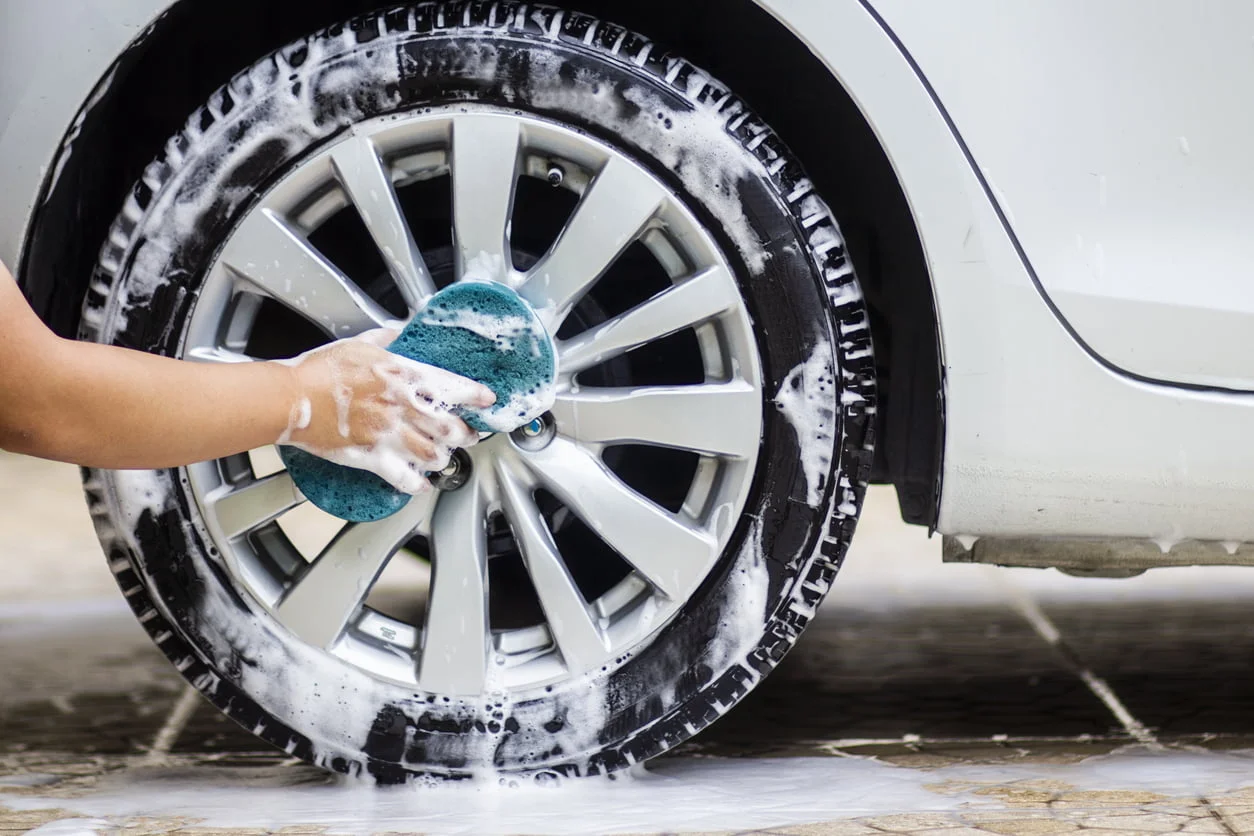
Invest in a dedicated tyre brush with soft yet firm bristles. Scrub the sidewalls and treads thoroughly, focusing on edges where grime builds up. For alloy wheels, use a separate brush to avoid cross-contamination.
4. Rinse and Dry Completely
After scrubbing, rinse with clean water and dry the tyres with a microfiber cloth. Avoid letting tyres air dry, as leftover minerals in the water can leave spots or stains.
5. Apply a Rubber Conditioner or Tyre Dressing
Once the tyres are clean and dry, apply a tyre protectant or conditioner. These products create a barrier against UV rays, road salt, and oxidation—while giving your tyres a fresh, matte or glossy finish depending on your preference.
How Often Should You Clean Your Tyres?
For most drivers, we recommend cleaning your tyres at least once a month. However, if you drive in rural, wet, or wintery conditions, you should increase frequency to twice monthly or after long journeys. Fleet vehicles or company cars should follow a regular maintenance schedule to ensure tyre longevity.