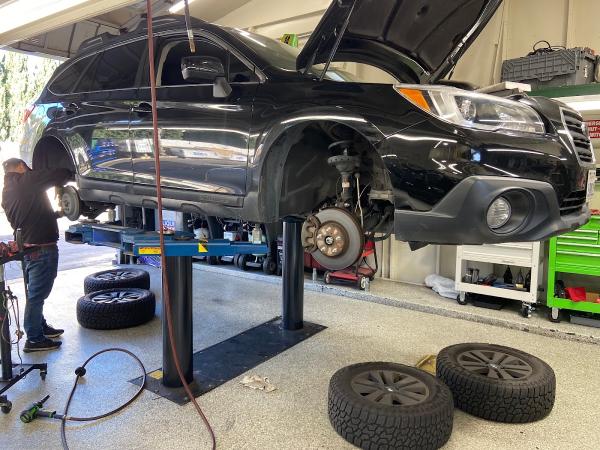
Wheel alignment is one of the most overlooked yet essential aspects of vehicle maintenance. While many drivers focus on oil changes, brake checks, and tire rotations, proper wheel alignment can significantly impact how your car drives, how long your tires last, and how safe you are on the road.
At QuickTyreFix.co.uk, we've helped thousands of vehicle owners across the UK experience the transformational effects of expert wheel alignment. In this comprehensive guide, we’ll take you through a detailed before-and-after look at how proper wheel alignment changes everything—from fuel economy to ride quality and even tyre wear patterns.
What Is Wheel Alignment?
Wheel alignment refers to the adjustment of a vehicle's suspension components to ensure the wheels are set to the optimal angles, as specified by the manufacturer. These angles include:
- Camber: The inward or outward tilt of the tire when viewed from the front.
- Toe: The extent to which the tires turn inward or outward when viewed from above.
- Caster: The angle of the steering pivot when viewed from the side of the vehicle.
Proper alignment ensures that your vehicle’s tyres meet the road at the correct angle, improving overall handling, safety, and tyre longevity.
Before Alignment: What Goes Wrong?
Many vehicle owners drive with misaligned wheels without even knowing it. Here are common issues experienced before getting a proper wheel alignment:
1. Uneven Tyre Wear
Misalignment causes tyres to wear unevenly—either on the inner or outer edges. This shortens tyre life and leads to frequent replacements.
2. Vehicle Pulling to One Side
If your car veers left or right even when the steering wheel is straight, it's a sign of poor alignment. This is not only annoying but also dangerous.
3. Off-Center Steering Wheel
A steering wheel that isn’t centered while driving straight suggests a toe misalignment. This also strains steering components.
4. Reduced Fuel Efficiency
Misaligned wheels increase rolling resistance, forcing the engine to work harder and consume more fuel.
5. Poor Handling and Safety
Unstable steering, excessive vibrations, and longer stopping distances are common in misaligned vehicles.
6. Suspension Stress
Improper alignment puts stress on suspension parts like ball joints, tie rods, and bushings, accelerating wear.
These issues not only affect the performance of your car but also pose a safety risk.
After Alignment: What Improves?
Now let’s explore the improvements you can expect after a professional wheel alignment from QuickTyreFix.co.uk:
1. Smoother Ride Quality
Aligned wheels reduce vibration and help your car drive straight without constant steering correction.
2. Increased Tyre Lifespan
With even contact across the tyre surface, you'll notice slower and more uniform tread wear.
3. Improved Fuel Economy
Properly aligned tyres reduce rolling resistance, allowing the engine to operate more efficiently.
4. Enhanced Handling and Steering
Your vehicle responds better to steering inputs, especially during sharp turns or emergency manoeuvres.
5. Reduced Wear on Suspension
By reducing strain on suspension components, alignment prolongs the life of your car’s undercarriage.
6. Increased Road Safety
Better control and reduced stopping distances make your vehicle safer to drive, particularly in adverse conditions.
Real-World Before & After Scenarios
Scenario 1: Commuter Car with Pulling Issues
Before: The driver reported their car pulling to the right and frequent tyre replacements.
After: Post-alignment, the vehicle drives straight, and tyre wear is now even. Fuel economy improved by 10%.
Scenario 2: Family SUV with Vibration Problems
Before: Steering wheel vibrations above 60 mph and noisy steering.
After: Alignment corrected toe angle and rebalanced wheels, eliminating vibrations entirely.
Scenario 3: Performance Sedan with Uneven Wear
Before: The inner tread on front tyres was completely bald after only 8,000 miles.
After: Alignment brought camber into spec. Tyres now wear evenly and are projected to last 30,000+ miles.
How QuickTyreFix.co.uk Performs Wheel Alignment
Step 1: Initial Inspection
We check your tyre pressure, suspension components, and visually inspect tyre wear patterns.
Step 2: Digital Wheel Alignment
We use advanced 3D alignment machines to measure camber, toe, and caster to millimetre precision.
Step 3: Manufacturer Specifications
We align your wheels based on the original factory specifications for your vehicle make and model.
Step 4: Test Drive and Recheck
A test drive ensures the car tracks straight and the steering wheel is properly centered. We recheck settings post-drive.
Step 5: Report and Advice
We provide a full alignment report and tyre condition analysis so you know exactly what was done and what to watch for.
Long-Term Impact of Regular Wheel Alignments
Keeping your wheels aligned doesn’t just solve short-term issues—it has lasting benefits.
Lower Maintenance Costs
By reducing stress on suspension and steering components, alignment delays the need for costly repairs.
Longer Tyre Life
You could extend tyre life by thousands of miles, saving on replacements and improving road grip.
Better Resale Value
A car that drives well and has evenly worn tyres is more attractive to buyers.
Safer Driving in All Conditions
From icy roads to sudden rain, proper alignment helps your vehicle respond predictably.
When Should You Get Wheel Alignment?
We recommend checking your wheel alignment:
- Every 10,000 to 12,000 miles
- After hitting a pothole or curb
- When replacing tyres or suspension parts
- If you notice pulling, uneven tyre wear, or vibration
QuickTyreFix.co.uk offers fast, affordable, and professional alignment services you can rely on.
Proper wheel alignment is not just about comfort—it’s about safety, performance, and cost-efficiency. The difference before and after a professional alignment is massive, and it’s something every vehicle owner should prioritize. Visit QuickTyreFix.co.uk today to schedule your wheel alignment and feel the difference for yourself.