Tyre sealants have become a popular quick-fix for punctures. They’re convenient, easy to apply, and can get drivers back on the road within minutes. However, many drivers — and even some technicians — are unsure how using a tyre sealant affects future puncture repairs.
Table of Contents
- Introduction: Why Sealants Are So Popular
- Types of Tyre Sealants on the Market
- How Sealants Work in Puncture Prevention and Repair
- Benefits of Using Sealant
- Drawbacks and Limitations of Sealant
- The Chemistry of Sealant and Tyre Construction
- How Sealant Affects Traditional Puncture Repairs
- Safety Concerns for Technicians Handling Sealant-Treated Tyres
- How to Remove Sealant Before a Professional Repair
- Recommendations for Drivers After Using Sealant
- Sealant Use in Different Vehicle Types (Car, SUV, Motorcycle, Commercial)
- Best Practices for Workshops Handling Sealant-Treated Tyres
- Long-Term Maintenance and Monitoring After Sealant
- Conclusion: Making Informed Choices About Sealants
1. Introduction: Why Sealants Are So Popular
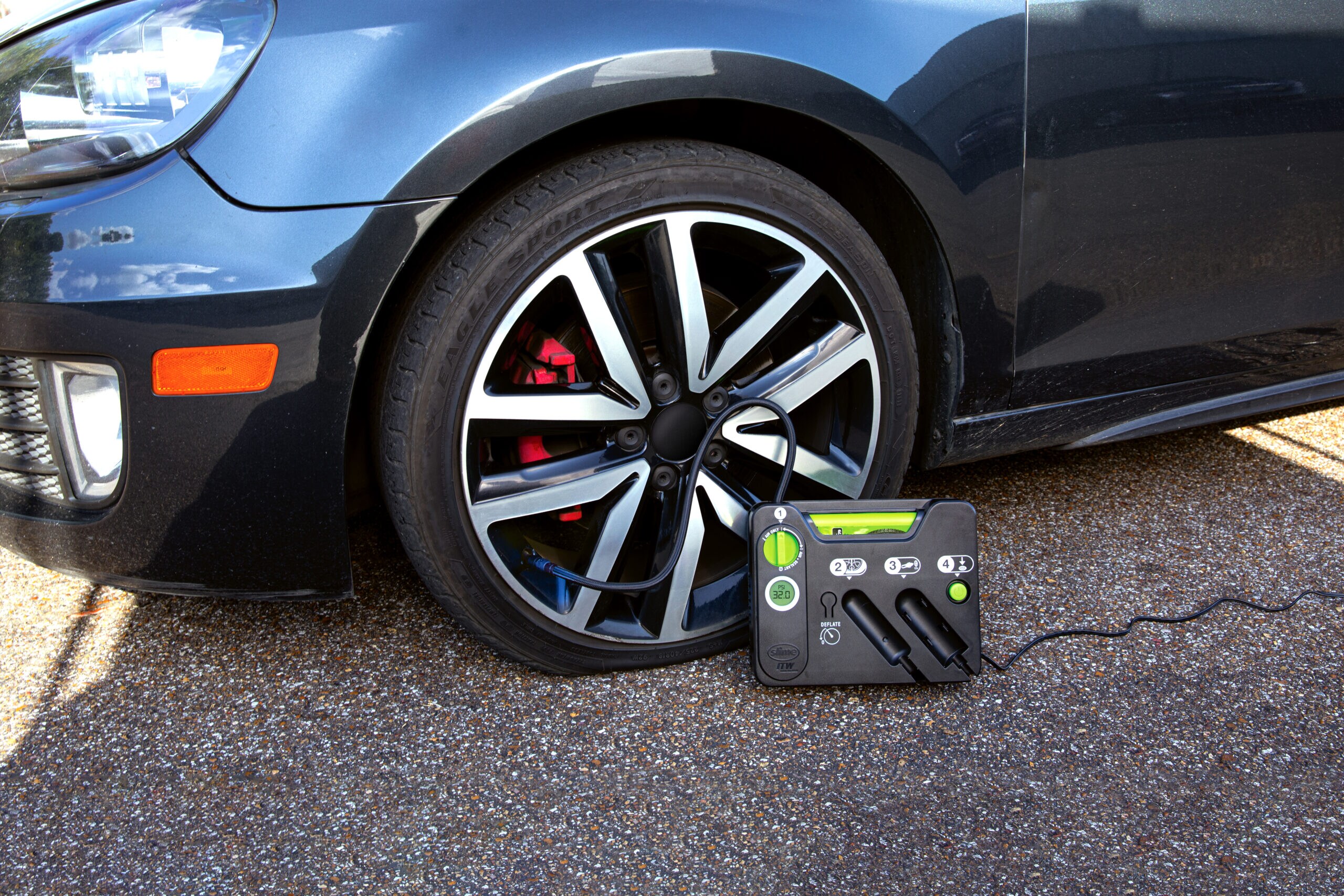
Over the past decade, tyre sealants have moved from a niche emergency product to a mainstream accessory. More and more new cars ship without spare tyres, instead providing a sealant kit and a compressor. This trend saves weight and space while giving drivers a quick fix for punctures.
However, this convenience comes with trade-offs. Sealants change the internal environment of the tyre and can affect how punctures are repaired later. Understanding these impacts is vital for drivers, fleet managers, and tyre technicians.
2. Types of Tyre Sealants on the Market
Not all sealants are created equal. Broadly, they fall into two categories:
2.1 Emergency / Aerosol Sealants
- Found in “fix-a-flat” style cans.
- Pressurized can injects sealant into tyre through valve.
- Designed to temporarily seal small punctures (typically ≤6 mm).
- Common in consumer vehicles as emergency kits.
2.2 Pre-installed / Preventive Sealants
- Applied to the tyre at installation or as a preventive measure.
- Remain liquid inside tyre, ready to seal punctures as they occur.
- Used in fleet or off-road applications, motorcycles, bicycles.
2.3 Composition Differences
Sealants may be water-based, latex-based, polymer-based, or include fibres and particulates for plugging holes. Each formulation affects how easily it can be removed later.
3. How Sealants Work in Puncture Prevention and Repair
3.1 Mechanism of Sealing
When a sharp object penetrates the tyre:
- The sealant rushes into the hole with escaping air.
- Fibres and particles accumulate at the puncture site.
- Liquid or latex dries, forming a plug or film.
This is usually enough to slow or stop air loss and get you to a repair shop.
3.2 Temporary vs Permanent
Most consumer tyre sealants are temporary measures designed to last only until a professional can inspect and repair or replace the tyre. Over time, the sealant may dry, flake, or lose effectiveness.
4. Benefits of Using Sealant
- Quick Roadside Fix: No need to remove wheel or handle heavy jacks.
- Safety: Helps you get out of dangerous locations fast.
- Convenience: Can be stored in a glovebox or trunk.
- Cost Savings: Avoids towing or on-site breakdown fees.
- Prevention: In fleets or off-road, preventive sealants can reduce downtime.
5. Drawbacks and Limitations of Sealant
- Not a Permanent Fix: Most sealants are temporary, not a substitute for proper repair.
- Limited to Small Punctures: Cannot seal sidewall damage or large holes.
- Messy for Technicians: Creates a sticky interior requiring cleanup.
- Potential TPMS Impact: Some sealants can foul tyre pressure monitoring sensors.
- Balance Issues: Liquid sealant can cause imbalance if unevenly distributed.
6. The Chemistry of Sealant and Tyre Construction
6.1 Tyre Inner Liner Compatibility
Tyres have an inner liner of butyl rubber designed to hold air. Sealants interact with this layer; some bond lightly, some leave residue.
6.2 Latex and Polymer Interactions
Latex-based sealants dry into rubbery films. Polymer sealants may remain tacky or water-soluble. Understanding the chemistry helps technicians choose the right cleaning approach.
6.3 Temperature and Ageing
Heat cycles inside the tyre can accelerate drying or hardening of sealant, making it harder to remove after weeks or months.
7. How Sealant Affects Traditional Puncture Repairs
This is the heart of the issue: sealant changes the conditions inside the tyre, which can complicate or even prevent a proper puncture repair.
7.1 Plug and Patch Bonding
Professional puncture repairs involve:
- Plugging the puncture channel.
- Patching the inner liner.
Both steps require a clean, dry, roughened surface to achieve proper adhesion. Sealant residue can interfere with the glue or vulcanizing cement, leading to patch failure.
7.2 Adhesion Problems
If sealant leaves a slick or waxy coating, patches may not bond. The technician must fully clean and roughen the area.
7.3 Contamination of Repair Area
Fibres or dried lumps embedded in the puncture channel may prevent the plug from seating properly. This can result in slow leaks or future blowouts.
7.4 Need for Tyre Replacement
If the sealant is too pervasive, or if it has damaged the inner liner or TPMS sensor, sometimes the only safe option is tyre replacement rather than repair.
8. Safety Concerns for Technicians Handling Sealant-Treated Tyres
8.1 Unknown Substances
Technicians may not know which sealant was used; some contain ammonia or other chemicals. Protective gloves and eye protection are advised.
8.2 TPMS Sensor Damage
Many modern vehicles have TPMS sensors attached to valve stems. Sealant can gum up or destroy these sensors, adding cost to the repair.
8.3 Slippery Work Environment
Spilled sealant on shop floors can cause slipping hazards. Cleanup procedures are essential.
9. How to Remove Sealant Before a Professional Repair
9.1 Step-by-Step Cleaning
- Deflate tyre and break bead.
- Remove tyre from wheel.
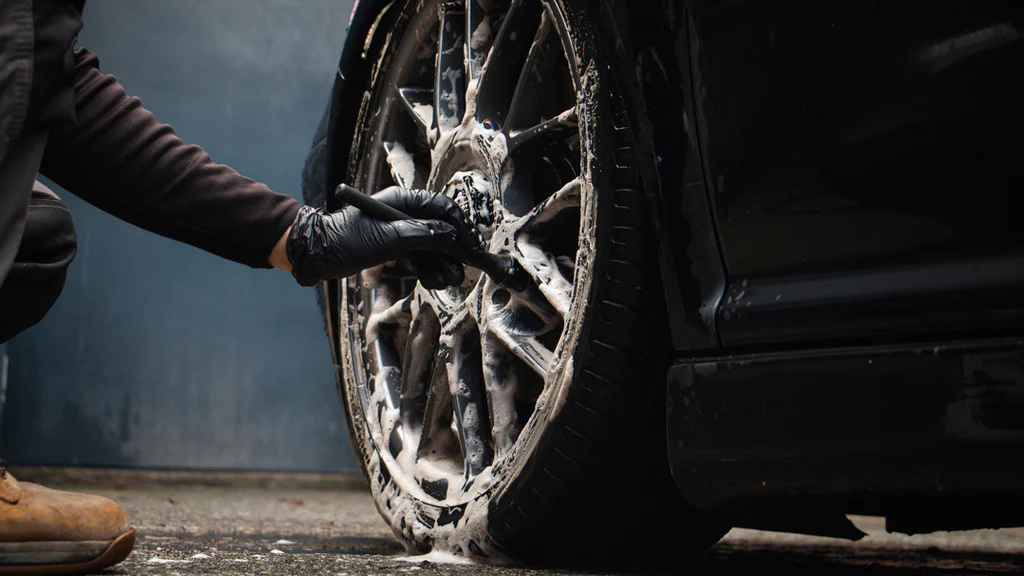
- Rinse interior with warm water or manufacturer-recommended cleaner.
- Scrub inner liner to remove dried residue.
- Dry thoroughly before attempting repair.
9.2 Special Cleaning Agents
Some sealant manufacturers provide compatible cleaning solutions. Always follow their recommendations to avoid damaging the inner liner.
9.3 Inspection After Cleaning
Check for hidden damage, corrosion on wheel, or compromised TPMS. Only proceed with repair if tyre structure is sound.
10. Recommendations for Drivers After Using Sealant
- Treat sealant as a temporary fix only.
- Drive to a professional tyre shop as soon as possible.
- Inform the technician about the sealant used.
- Be prepared for possible tyre replacement if repair isn’t viable.
- Have TPMS checked and recalibrated.
11. Sealant Use in Different Vehicle Types
11.1 Passenger Cars
Sealant is common and usually safe for small punctures, but prompt professional inspection is key.
11.2 SUVs and Light Trucks
Heavier loads generate more heat; sealant may dry faster or shift. Use with caution and inspect early.
11.3 Motorcycles
Balance and stability are critical. Many motorcycle manufacturers advise against sealants except as an emergency measure.
11.4 Commercial / Fleet Vehicles
Preventive sealants can reduce downtime, but fleet maintenance teams must train on removal and proper repair.
12. Best Practices for Workshops Handling Sealant-Treated Tyres
- Ask Customers if sealant was used.
- Wear Protective Gear when dismounting tyres.
- Prepare Cleaning Station to handle sealant residue.
- Check TPMS Sensors for contamination or damage.
- Use Manufacturer Guidelines for compatible adhesives.
- Educate Staff on the limitations of sealant repairs.
13. Long-Term Maintenance and Monitoring After Sealant
13.1 Regular Pressure Checks
Sealant can mask slow leaks. Continue checking tyre pressure frequently after treatment.
13.2 Tyre Balancing
After cleaning or repairing, ensure tyres are rebalanced; leftover sealant or uneven patches can affect balance.
13.3 Replacement Intervals
If the tyre has had sealant inside for an extended period, monitor for accelerated wear or liner degradation and replace sooner if needed.
14. Conclusion: Making Informed Choices About Sealants
Tyre sealants are invaluable as a stopgap measure — they help you drive to safety and avoid being stranded. However, they’re not a substitute for a proper, permanent puncture repair. By understanding how sealants affect future repairs, both drivers and technicians can make informed decisions, ensure safety, and extend tyre life.