When your car battery dies unexpectedly, getting a jump-start can feel like a lifesaver. Whether help comes from a roadside assistance service like Quick Tyre Fix or a kind stranger, knowing the proper jump-start etiquette ensures the process is safe, respectful, and efficient.
This isn’t just about connecting jumper cables correctly — it’s also about how you communicate, prepare your vehicle, and show appreciation to whoever helps you get moving again.
1. Understanding the Basics of a Jump-Start
Before diving into etiquette, it’s worth knowing what a jump-start actually involves.
A jump-start uses another vehicle’s battery or a portable power pack to provide enough current to start your car. This is a temporary solution — your alternator will then recharge your battery while you drive.
Common causes of a dead battery include:
- Leaving headlights or interior lights on
- Faulty alternator
- Extremely cold or hot weather
- Old or worn-out battery
- Short drives that don’t fully recharge the battery
2. Safety Comes First
Jump-starts involve electricity and can be risky if done incorrectly. Before connecting cables or letting someone else do it:
- Turn off both vehicles and remove the keys from the ignition.
- Check for leaks or damage around the battery.
- Avoid sparks by keeping metal objects away from battery terminals.
- Wear gloves and eye protection if available.
If you’re unsure about performing the jump yourself, call a professional roadside service to avoid injury or damage to the vehicle’s electronics.
3. Choosing the Right Place for the Jump-Start
If your battery dies in the middle of traffic or in a dangerous location:
- Push the car to safety if possible.
- Turn on hazard lights to alert other drivers.
- Park on a flat, stable surface away from moving vehicles.
- Avoid wet or muddy ground, which can increase electrical hazards.
4. How to Ask for Help Respectfully
If you’re relying on a passer-by instead of a roadside assistance service:
- Approach politely and explain your situation briefly.
- Ask, don’t demand — it’s a favour, not an obligation.
- Accept a “no” gracefully — some drivers may not feel comfortable assisting.
A polite request increases your chances of finding someone willing to help without making them feel pressured.
5. Preparing Your Vehicle for the Jump
Before the assisting vehicle arrives:
- Locate your battery — some cars have it under the bonnet, others in the boot.
- Remove any obstructions around the battery terminals.
- Position your car so jumper cables can reach easily.
- Switch off electrical components like lights, AC, and the radio to reduce load.
6. Knowing the Correct Connection Sequence
While this is more about procedure than manners, it’s part of responsible etiquette:
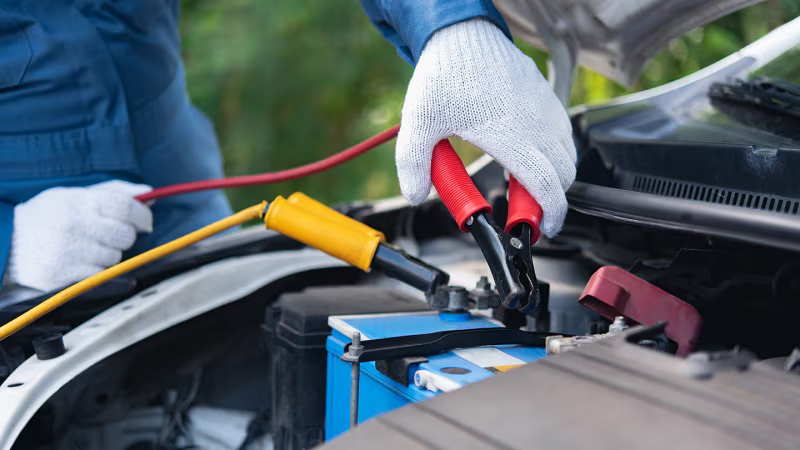
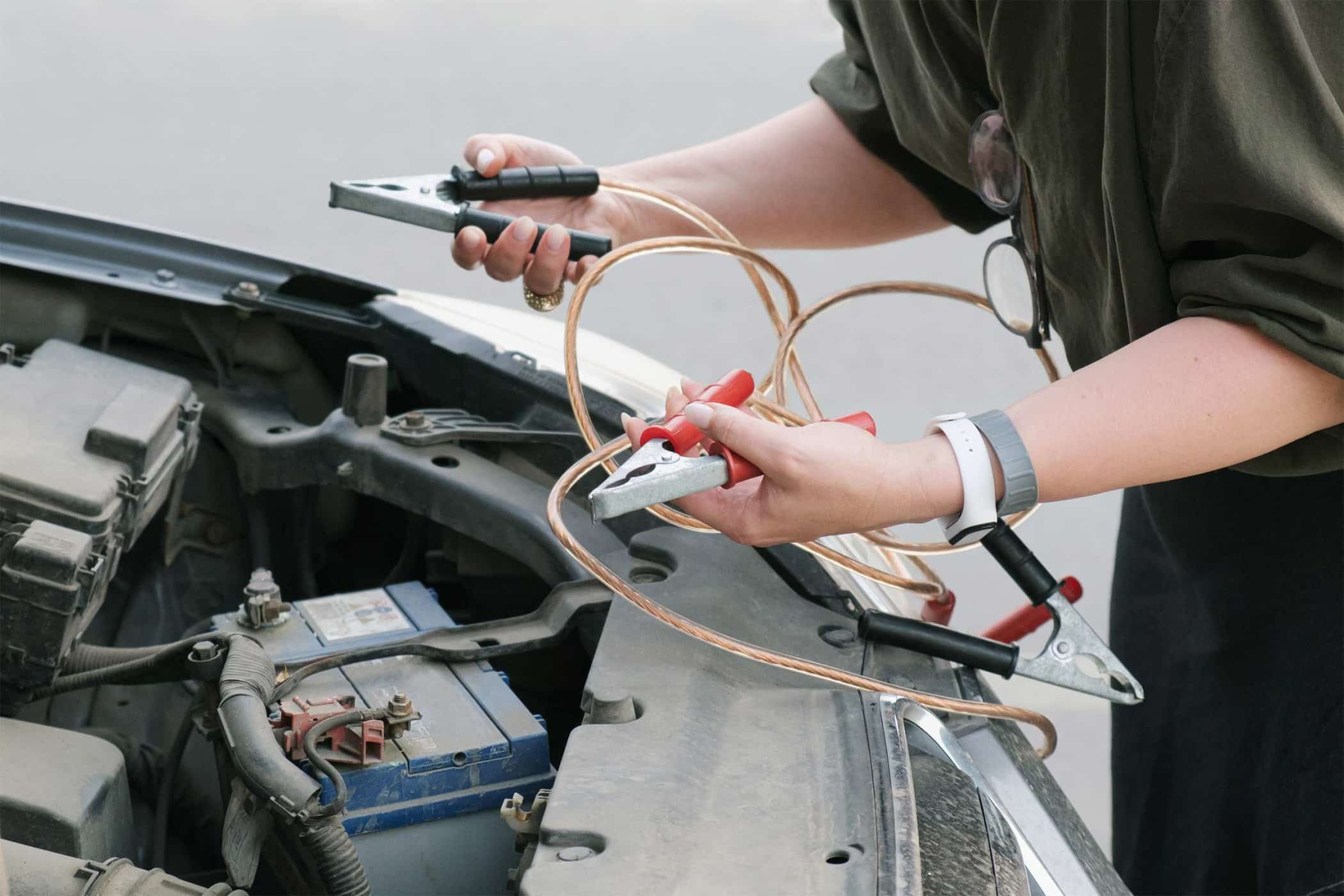
- Red to Dead – Connect the red (positive) cable to the dead battery’s positive terminal.
- Red to Donor – Connect the other red clamp to the donor battery’s positive terminal.
- Black to Donor – Connect the black (negative) cable to the donor battery’s negative terminal.
- Black to Metal – Connect the last black clamp to an unpainted metal surface on the dead car’s engine block, away from the battery.
7. Clear Communication During the Process
Whether you’re helping or being helped:
- Signal when ready before starting the engine.
- Confirm when cables are secure before turning on either vehicle.
- Let the donor vehicle run for a few minutes before trying to start your car.
This ensures everyone is on the same page and avoids sudden electrical surges.
8. Thanking Your Helper
If someone took the time to help:
- Express genuine thanks — a simple “I really appreciate your help” goes a long way.
- Offer a small gesture, such as a bottle of water, coffee, or even a fuel voucher if you can.
- Remember, kindness builds goodwill — you may be in a position to return the favour one day.
9. Driving After a Jump-Start
After your car starts:
- Keep the engine running for at least 20–30 minutes to recharge the battery.
- Avoid stopping immediately, as the battery may not have enough power for a restart.
- Plan to get your battery tested or replaced soon — a jump-start is only a temporary fix.
10. Preventing Future Battery Emergencies
The best jump-start etiquette is not needing one in the first place. Preventive steps include:
- Regularly checking your battery health.
- Turning off lights and electronics before leaving the car.
- Investing in a portable jump-starter.
- Scheduling battery replacements every 3–5 years.
11. When to Skip the DIY and Call a Professional
Sometimes, it’s safer and more practical to call a service like Quick Tyre Fix:
- If the battery is leaking or swollen.
- If you smell burning or see smoke.
- If the car has complex electronics that could be damaged.
- If you’re in a hazardous or remote location.
Professional roadside assistance ensures the jump-start is done quickly, safely, and with minimal risk to your vehicle.