Introduction
Tyres are a major investment in your vehicle's safety, performance, and fuel efficiency. While many drivers focus on tyre brand and tread depth, proper wheel alignment is one of the most critical—and often overlooked—factors in preserving tyre life. At QuickTyreFix.co.uk, we’ve helped thousands of customers save money and drive safer by educating them about the importance of tyre alignment. In this comprehensive guide, we’ll explain how alignment works, signs of misalignment, its impact on your tyres, and how to keep everything perfectly tuned.
1. What is Wheel Alignment?
Wheel alignment refers to the adjustment of your vehicle’s suspension system—the system that connects the vehicle to its wheels. It’s not about adjusting the tyres or wheels themselves, but how they sit in relation to the road and to each other.
Key Alignment Angles:
- Camber: The inward or outward angle of the tyres when viewed from the front.
- Toe: The extent to which your tyres turn inward or outward when viewed from above.
- Caster: The angle of your steering axis when viewed from the side.
These angles are precisely adjusted to meet manufacturer specifications to ensure optimal handling and tyre wear.
2. Why Proper Alignment Matters for Tyre Life
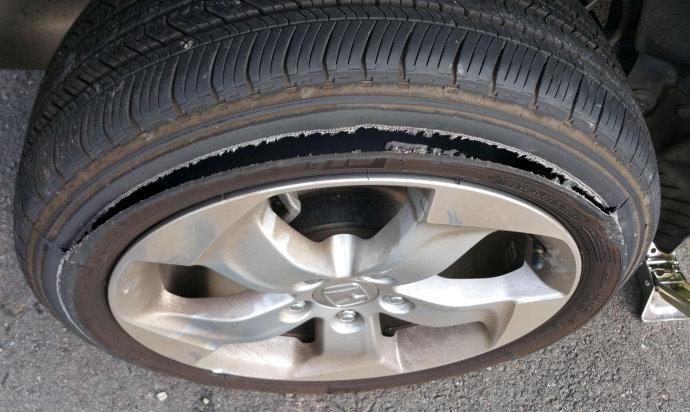
Incorrect alignment means your tyres aren’t making even contact with the road surface, which causes uneven and premature wear.
Consequences of Misalignment:
- Increased tyre wear: Misalignment creates excessive friction on certain parts of the tyre.
- Reduced tyre lifespan: A tyre that could last 40,000 miles may need replacement in half that distance.
- Safety risks: Poor alignment affects braking distance and steering responsiveness.
- Higher fuel consumption: Misaligned wheels increase rolling resistance, which puts more strain on the engine.
At QuickTyreFix.co.uk, we use digital alignment tools that ensure precision and long-lasting results.
3. Common Causes of Misalignment
Understanding what causes misalignment can help you avoid expensive repairs and replacements.
Typical Triggers:
- Hitting potholes or curbs
- Driving over speed bumps too quickly
- Accidents or sudden impacts
- Worn suspension parts
- Heavy vehicle loads or towing
Even subtle wear and tear over time can knock your alignment out of spec.
4. Signs Your Vehicle Needs an Alignment Check
Spotting early warning signs can save your tyres and improve your driving comfort.
Warning Indicators:
- Vehicle pulls to one side
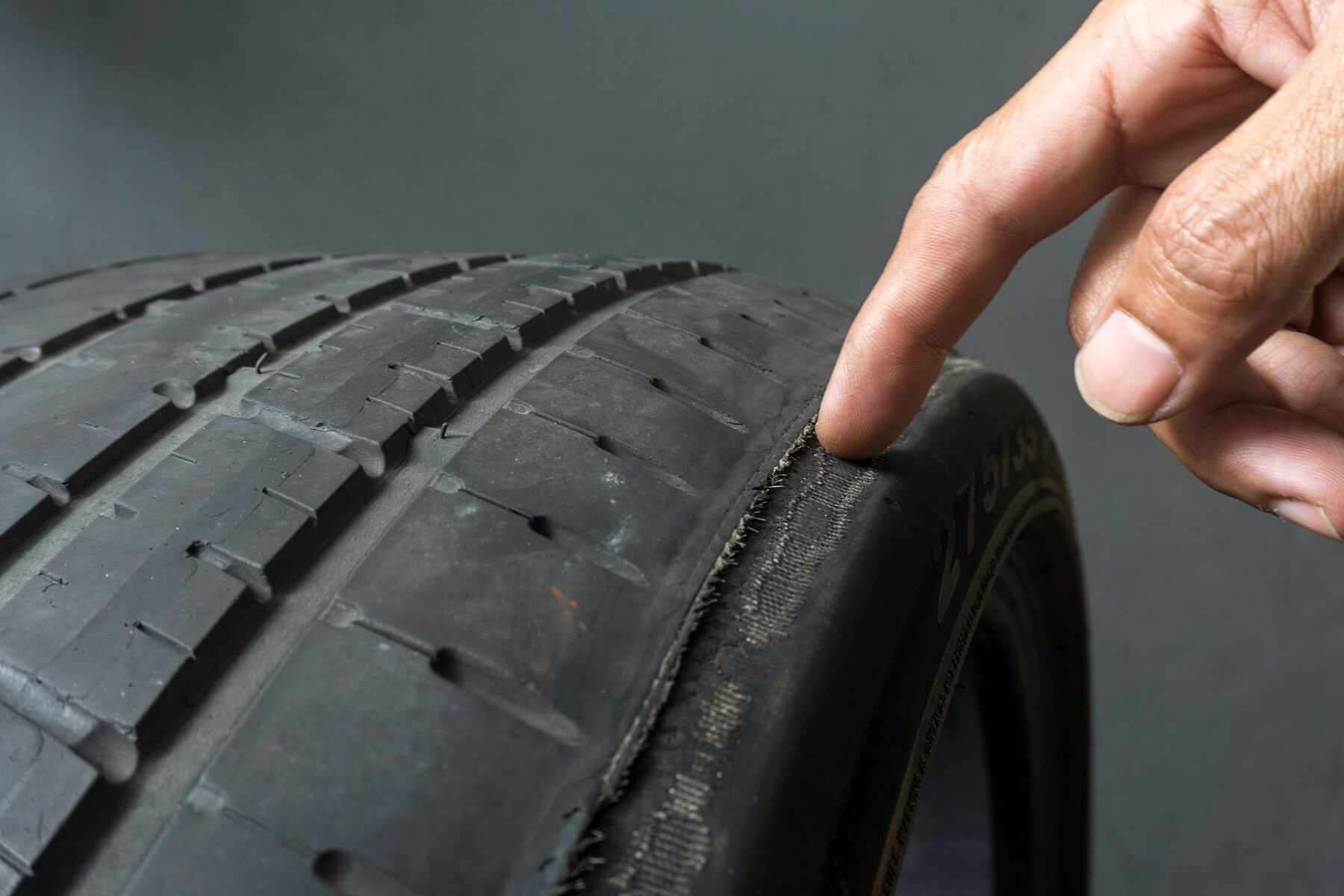
- Uneven or rapid tyre wear
- Crooked steering wheel when driving straight
- Steering feels loose or shaky
- Squealing tyres
QuickTyreFix.co.uk offers full alignment diagnostics to identify issues before they turn into costly repairs.
5. How Misalignment Affects Different Types of Tyre Wear
Types of Wear Patterns Caused by Misalignment:
- Feathering: Tyres wear unevenly on one side of the tread; common with toe misalignment.
- Camber wear: Excessive wear on inner or outer edge due to incorrect camber.
- Heel-toe wear: Tread blocks wear down unevenly; often caused by improper toe settings.
Proper alignment ensures even tyre contact with the road, extending the life of your tyre investment.
6. How Often Should You Check Your Wheel Alignment?
There’s no one-size-fits-all answer, but general recommendations include:
- Every 6,000 miles or every 6 months
- When installing new tyres
- After a significant pothole impact or accident
- If you experience any of the signs listed earlier
At QuickTyreFix.co.uk, our technicians can assess your alignment every time you get your tyres rotated or replaced.
7. Benefits of Regular Wheel Alignment from QuickTyreFix.co.uk
Why Choose QuickTyreFix.co.uk for Alignment Services:
- Mobile alignment options: We come to you for convenience.
- Advanced equipment: We use high-precision alignment tools.
- Trained technicians: Our team understands the specifics of every vehicle type.
- Transparent pricing: No hidden charges—just honest service.
With proper alignment, your tyres perform better, last longer, and offer improved fuel efficiency and ride comfort.
8. Complementary Tyre Care Tips to Maximise Tyre Life
While alignment is crucial, it's part of a larger tyre maintenance ecosystem. Combine it with:
- Regular tyre rotations (every 6,000–8,000 miles)
- Maintaining correct tyre pressure
- Routine balancing to avoid vibrations
- Using the right tyres for your driving conditions
- Promptly repairing punctures
QuickTyreFix.co.uk offers all of these services via our mobile units, ensuring comprehensive tyre care at your doorstep.
9. Wheel Alignment vs. Wheel Balancing – Know the Difference
Many drivers confuse alignment with balancing. Here’s a quick distinction:
- Alignment corrects the angles at which tyres touch the road.
- Balancing ensures even weight distribution around the tyre and wheel.
Both are essential for optimal performance, and QuickTyreFix.co.uk offers both services as part of our tyre health packages.
10. Save Money and Drive Safer with Proactive Alignment Checks
Proactive alignment isn’t just about preserving tyre life—it’s about long-term savings and safety:
- Avoid replacing tyres too early
- Reduce strain on your suspension system
- Improve handling, steering, and ride comfort
- Minimise fuel costs
With QuickTyreFix.co.uk, it’s easier than ever to stay on top of your alignment needs with mobile diagnostics and on-the-spot corrections.