Tyres are one of the most vital yet often underappreciated components of your vehicle. From the moment they are fitted to the day they are replaced, tyres go through a complex lifecycle influenced by your driving habits, road conditions, maintenance routine, and environmental factors. At QuickTyreFix.co.uk, we believe in educating drivers so they can get the most out of their tyres—in terms of performance, safety, and longevity.
This in-depth guide walks you through the complete lifecycle of a tyre, highlighting each phase from fitting, usage, maintenance, to eventual replacement. Learn how to extend tyre life, identify warning signs of wear, and know exactly when it's time for a change.
Phase 1: Tyre Selection and Fitting
The tyre lifecycle begins with proper selection and fitting. Choosing the right tyre ensures performance, safety, and compliance with UK driving regulations.
Key Factors in Tyre Selection:
- Vehicle type (car, SUV, van, performance)
- Driving style (city driving, long-distance, off-road)
- Weather conditions (summer, winter, or all-season tyres)
- Budget vs. premium brands
- Tyre size and speed rating as per manufacturer specifications
At QuickTyreFix.co.uk, we help customers choose tyres based on data-driven performance metrics and safety standards.
The Fitting Process:
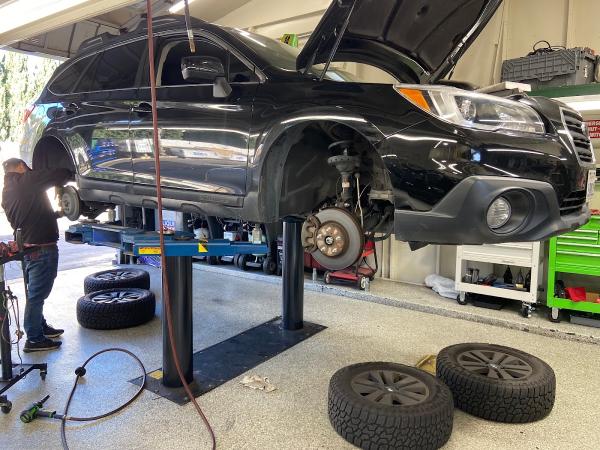
- Removing old tyres and inspecting rims
- Mounting new tyres onto the wheel using tyre machines
- Inflating tyres to manufacturer-recommended pressure
- Wheel balancing to prevent vibrations
- Visual inspection of valve, rim, and tread alignment
Proper fitting is crucial for ride comfort, even tread wear, and extended tyre life.
Phase 2: Tyre Break-In Period
Just like new shoes, new tyres need a brief adjustment period known as the break-in period.
What Happens During Break-In:
- Lubricants used during manufacturing wear off
- Tyre tread settles into consistent road contact
- Braking and cornering responsiveness stabilizes
Tips During Break-In:
- Drive gently for the first 150-200 miles
- Avoid aggressive braking and sharp turns
- Check tyre pressure weekly
By easing into normal driving, you help the tyres form a proper contact patch and avoid premature wear.
Phase 3: Active Usage and Daily Wear
Once the break-in period ends, the tyre enters its longest phase: daily usage. This is where proper care and awareness matter the most.
Key Factors Affecting Tyre Life:
- Driving habits: Sudden acceleration, hard braking, and sharp turns speed up wear.
- Road conditions: Rough or uneven roads cause more damage than smooth tarmac.
- Climate: Extreme heat or cold affects rubber elasticity and pressure stability.
- Load and towing: Carrying heavy loads or trailers adds stress to tyres.
On average, a standard car tyre lasts between 20,000 to 30,000 miles, but this varies widely depending on the above factors.
Common Tyre Wear Patterns:
- Center wear: Overinflation
- Edge wear: Underinflation
- Cupping: Suspension issues
- Feathering: Misalignment
Routine visual checks can reveal these patterns early and help prevent further deterioration.
Phase 4: Tyre Maintenance and Upkeep
Proper tyre maintenance significantly extends their lifespan and keeps your vehicle safe.
Essential Tyre Maintenance Tasks:
1. Tyre Pressure Checks
Check monthly and before long journeys. Incorrect pressure affects fuel efficiency, grip, and tread life.
2. Wheel Balancing
Prevents vibrations, uneven wear, and suspension damage. Should be done with every tyre change or rotation.
3. Wheel Alignment
Ensure wheels are properly angled for straight tracking and even wear. Recommended every 6-12 months or after hitting a pothole.
4. Tyre Rotation
Move tyres between front and rear axles every 5,000-8,000 miles to balance wear patterns.
5. Tread Depth Monitoring
Legal minimum in the UK is 1.6mm, but replacement is recommended at 3mm for optimal wet-weather performance.
6. Visual Inspections
Look for cuts, cracks, bulges, or embedded objects regularly.
At QuickTyreFix.co.uk, we provide free tyre inspections with every service.
Phase 5: Warning Signs of Tyre End-of-Life
Even with the best care, tyres eventually wear out and become unsafe. Recognizing the warning signs early can prevent blowouts or accidents.
Top Warning Signs:
- Tread depth below 1.6mm
- Visible cords or fabric in the tyre tread
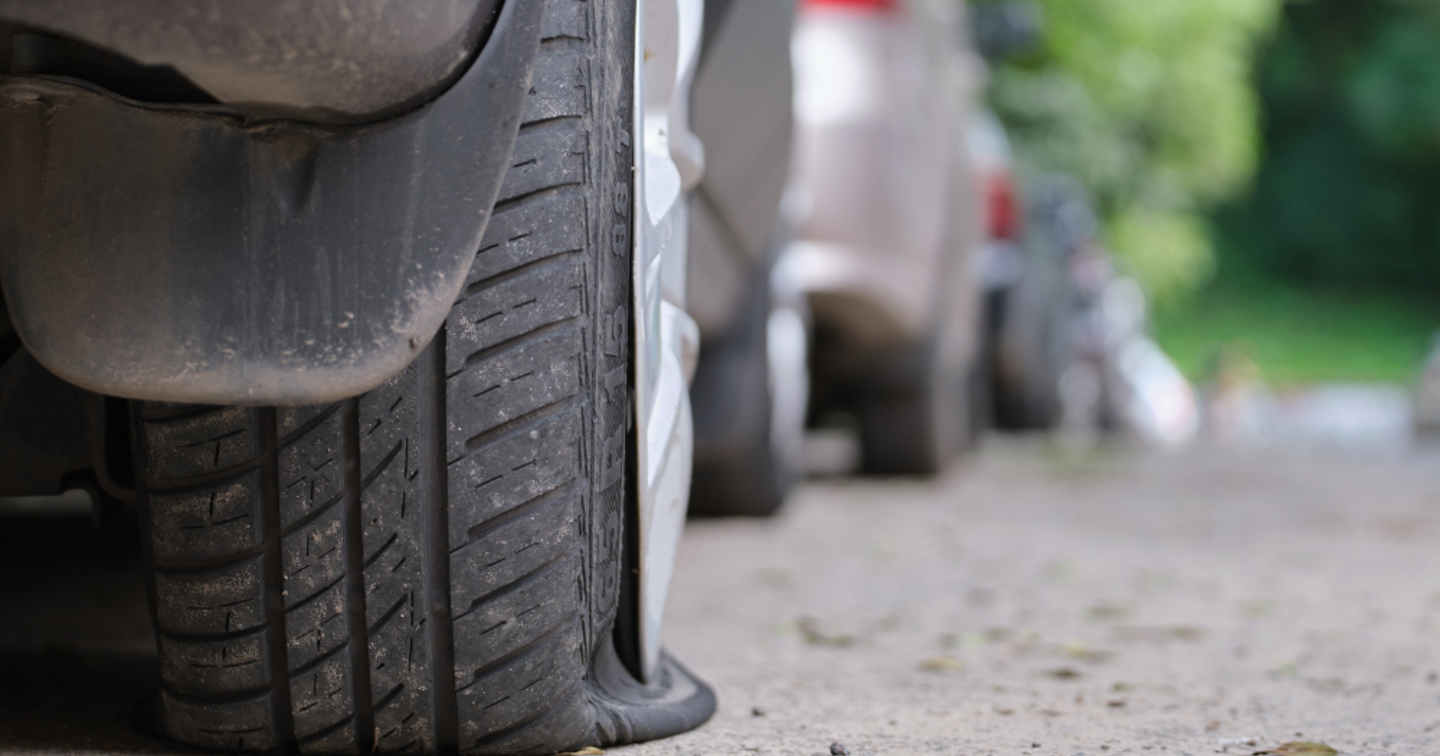
- Persistent air pressure loss
- Vibrations that balancing doesn’t fix
- Tyre age over 6 years, regardless of tread depth
- Cuts, sidewall bulges, or dry rot
- Irregular wear across one or more tyres
If you notice any of these, it’s time to schedule a replacement immediately.
Phase 6: Tyre Replacement
When your tyres reach the end of their lifecycle, safe and timely replacement is crucial.
Choosing the Right Replacement:
- Match size and load/speed rating
- Choose tread pattern based on climate and usage
- Consider fuel efficiency and road noise ratings
The Replacement Process at QuickTyreFix.co.uk:
- Remove old tyre and inspect rim integrity
- Mount new tyre using precision machinery
- Balance and align to prevent immediate wear
- Check air pressure, tread, and valve seals
- Recycle old tyres through environmentally friendly disposal partners
We provide a performance guarantee on all new tyres and include a free safety check with every replacement.
Phase 7: Recycling and Environmental Responsibility
Tyres don’t just disappear when replaced. At QuickTyreFix.co.uk, we ensure they are recycled responsibly.
What Happens to Old Tyres?
- Reused in retreading, if structurally sound
- Processed into rubber mulch for playgrounds
- Used as fuel in cement production
- Recycled into road construction materials
Our tyre disposal partners are certified under UK waste management regulations, ensuring minimal environmental impact.
Extending the Tyre Lifecycle: Expert Tips
Here’s how to maximise every mile from your tyres:
- Drive smoothly: Avoid sudden stops, starts, and swerves
- Maintain correct pressure: Check monthly or more in extreme weather
- Schedule alignment checks: Especially after pothole impacts
- Rotate tyres regularly: Promote even wear
- Store seasonal tyres properly: In cool, dry conditions and off the ground
How QuickTyreFix.co.uk Supports You Through Every Phase
Whether you’re buying new tyres, need a puncture repair, or want a wheel alignment, we’re here for the full lifecycle.
Our Services Include:
- Tyre fitting and mobile installation
- Free tyre pressure and tread checks
- Wheel alignment and balancing
- Emergency puncture repair
- Seasonal tyre changeover and storage
- Old tyre recycling and disposal
With nationwide coverage and mobile support, we bring professional tyre services to your driveway, workplace, or roadside emergency.