Introduction: Precision Matters in Luxury Vehicle Maintenance
Luxury cars are built for excellence, combining high-end performance with premium design and superior aesthetics. But maintaining their elegance doesn’t stop at the engine or the paint job. One of the most overlooked yet impactful areas of luxury car care is tyre and alloy wheel cleaning. Unlike standard vehicles, luxury cars often feature high-value wheels made from advanced alloys, coated in bespoke finishes that require specialised treatment.
In this comprehensive guide, we dive into what makes tyre and alloy wheel cleaning for luxury cars so different, why it matters, and how professionals ensure a spotless shine without risking damage.
Why Luxury Cars Demand Special Attention
Luxury vehicles such as Audi, BMW, Bentley, Porsche, and Rolls-Royce are precision machines. Their wheels aren’t just functional components; they are part of the vehicle’s identity. Here’s why tyre and wheel care is a bigger deal:
- Custom alloy finishes (polished, diamond-cut, chrome)
- Larger wheel sizes with low-profile tyres
- Enhanced brake systems that produce more brake dust
- Aesthetic expectations of a premium shine
- Brand value that depreciates with neglect
Regular car washes may not provide the right cleaning agents or tools needed to care for luxury wheels, and improper techniques can ruin the finish.
The Difference Between Standard and Luxury Alloy Wheel Cleaning
1. Material Sensitivity
Standard wheels can often be cleaned with general-purpose degreasers. In contrast, luxury alloys may feature:
- Diamond-cut finishes that require non-abrasive contact
- Anodized or powder-coated layers that react to harsh chemicals
- Carbon-ceramic brake systems that shed corrosive dust
2. Precision Tools and Brushes
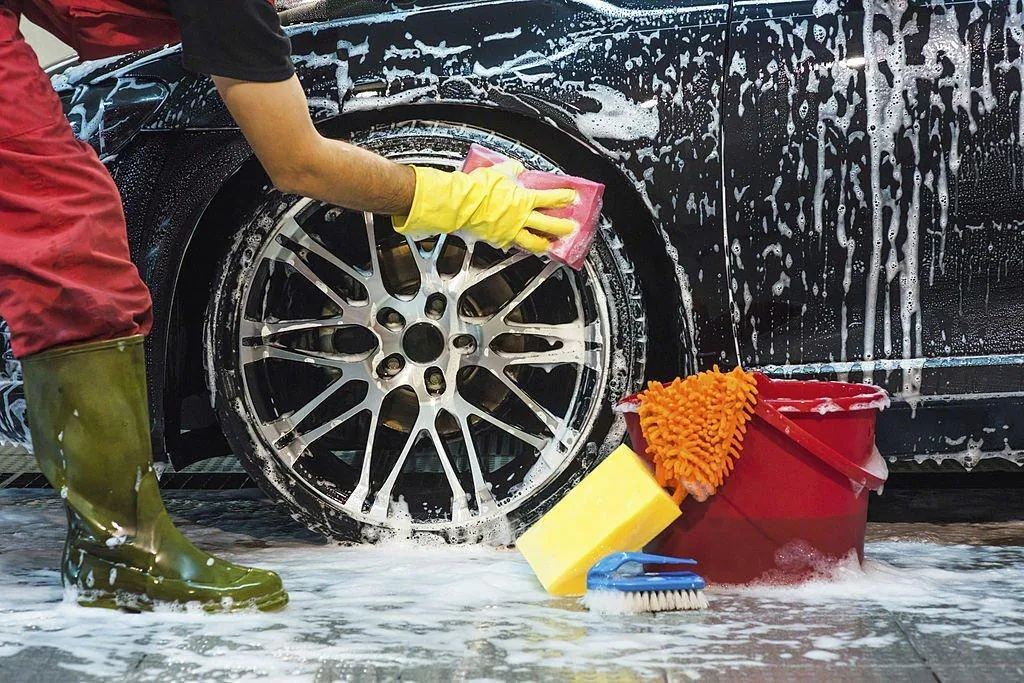
Professionals use pH-balanced cleaners, ultra-soft wheel brushes, and microfiber towels to prevent scratches.
3. Two-Bucket Method and Contactless Pre-Wash
To avoid swirl marks and micro-abrasions, high-end detailers use a two-bucket technique, snow foam cannons, and pre-wash routines before even touching the wheel.
4. Attention to Lug Nuts, Valves, and Behind-Spokes Areas
Luxury car wheels often feature intricate designs. Cleaning hidden areas is vital for a complete look.
Understanding Brake Dust and Luxury Alloys
One of the biggest threats to luxury alloy wheels is brake dust. This fine powder is made of iron particles, carbon, and adhesives that are extremely corrosive if left on wheels.
Why It’s Worse on Luxury Cars:
- High-performance brake pads create more dust
- Low-profile tyres expose more wheel surface
- Expensive finishes can stain or corrode faster
Cleaning brake dust from luxury alloys involves:
- Pre-rinse with low-pressure water
- Application of iron fallout removers
- Gentle brushing to lift residue
- Rinsing with filtered or deionised water to avoid spotting
Step-by-Step: How Professionals Clean Tyres and Alloy Wheels on Luxury Cars
Step 1: Preparation
- Shade or indoor workspace
- Gather premium tools (soft brushes, pH-neutral wheel cleaner, foam sprayer)
- Gloves and tyre detailing pads
Step 2: Rinse Off Loose Dirt
Use a pressure washer or hose with a fan jet to remove loose contaminants. Avoid high PSI near valves or damaged areas.
Step 3: Apply Wheel Cleaner and Fallout Remover
Use dedicated alloy-safe solutions. Allow time for chemical reaction (typically 2–5 minutes). Fallout removers turn purple to indicate iron removal.
Step 4: Agitate with Brushes
Work from the outer lip to the lug nuts. Use different size brushes for:
- Barrels (long-handled)
- Faces (soft-bristle)
- Nuts and corners (detailing brushes)
Step 5: Clean the Tyres
Apply a separate tyre cleaner to lift grime and browning (known as blooming). Scrub with a stiff tyre brush.
Step 6: Rinse Thoroughly
Use filtered or deionised water to prevent hard water spots. Ensure all chemical residue is removed.
Step 7: Dry with Microfiber Towels
Never air dry luxury wheels. Use plush microfiber or a blower for intricate areas.
Step 8: Tyre Dressing and Wheel Sealant
- Apply a premium, non-slinging tyre gel for a satin or glossy finish
- Protect alloys with ceramic wheel sealants or hydrophobic coatings
Common Mistakes in Cleaning Luxury Car Wheels
- Using acidic wheel cleaners on polished or anodised wheels
- Letting wheel cleaners dry on the surface
- Using a single dirty brush for all parts
- Skipping tyre cleaning
- Applying cheap silicone tyre dressings (which attract dust)
Avoiding these errors helps preserve both appearance and resale value.
Eco-Friendly and Safe Products for High-End Detailing
Many professional detailers now use biodegradable, non-toxic wheel cleaners to reduce environmental impact without compromising results. Look for:
- pH-neutral formulas
- Plant-based degreasers
- Ceramic-safe tyre gels
- Eco-labeled microfiber towels
These products ensure your car gets the royal treatment while protecting nature.
Special Finishes Require Special Techniques
Diamond-Cut Wheels
These have a unique reflective surface created by machining. They should never be polished with abrasive compounds.
Chrome Alloys
Require non-acidic cleaners and immediate drying to avoid water spots and pitting.
Matte or Satin Finishes
Must be treated with dedicated matte-safe products to avoid shine.
Tyre Cleaning: Why It’s Not Just About Shine
Dirty tyres not only affect the look but also the performance of your car. Tyre cleaning removes:
- Road grime
- Oils and grease
- UV-damaging residues
- Browning from oxidation
Clean tyres improve traction, extend life, and enhance the overall aesthetic of the vehicle.
Protecting Your Investment: Maintenance Tips
- Wash wheels every 1–2 weeks
- Reapply sealants monthly
- Avoid car washes with harsh chemicals
- Inspect for brake dust build-up frequently
- Use tyre shine products rated for high-performance vehicles
Why Choose a Professional Detailer or Mobile Tyre Expert
Detailers trained in luxury vehicle care know the exact methods, products, and precautions to use. With services like QuickTyreFix.co.uk, you can schedule expert tyre and alloy cleaning at your home or office, with results that rival dealership detailing.
Benefits:
- No risk of incorrect techniques
- Saves time and travel
- Products tailored to your vehicle’s finish
- Adds to resale value