Introduction
Modern vehicles are increasingly being fitted with run-flat tyres as a standard or optional feature, especially on high-performance and luxury cars. These tyres offer the promise of convenience and safety in the event of a puncture, allowing you to continue driving without needing an immediate stop. However, there are many misconceptions about run-flat tyres and their repairability. At QuickTyreFix.co.uk, we aim to educate drivers about the true pros and cons of run-flat technology and provide clarity on what can—and cannot—be done when these tyres fail. This guide dives deep into how run-flat tyres work, how they compare to conventional tyres, the truth about repairing them, and when it's best to seek professional help.
1. What Are Run-Flat Tyres?
Run-flat tyres are designed to allow a vehicle to continue driving safely even after losing air pressure due to a puncture.
Types of Run-Flat Technology:
- Self-Supporting Tyres: Reinforced sidewalls maintain the tyre's shape and support the vehicle for a limited distance.
- Support Ring Tyres: An internal ring carries the weight of the vehicle if air pressure is lost.
Key Features:
- Drive up to 50 miles (or more, depending on the model) after a puncture.
- Typically support speeds up to 50 mph in deflated condition.
- Built-in safety: Reduce the risk of accidents caused by sudden blowouts.
QuickTyreFix.co.uk can service and replace all major types of run-flat tyres at your location, including BMW, Mercedes-Benz, and Mini-compatible brands.
2. Advantages of Run-Flat Tyres
Safety Benefits:
- Maintains steering and braking control after deflation.
- Reduces risk of tyre blowouts on busy roads or highways.
Convenience:
- Eliminates need to stop immediately or change a tyre on the roadside.
- No need to carry a spare tyre in some vehicles.
Space and Weight Saving:
- No spare means more boot space and less vehicle weight.
Peace of Mind:
- Particularly useful for elderly drivers, solo commuters, or night-time travellers.
At QuickTyreFix.co.uk, we often recommend run-flat tyres for city drivers who frequently face punctures and don’t want the hassle of emergency tyre changes.
3. Limitations and Challenges of Run-Flat Tyres
Despite the benefits, run-flat tyres have drawbacks you should consider.
Ride Comfort:
- Stiffer sidewalls result in a harsher ride compared to conventional tyres.
Cost:
- Typically more expensive to replace.
Repair Limitations:
- Not all punctures can be repaired.
- Many manufacturers and tyre shops refuse to repair run-flats.
Limited Driving Distance:
- Only usable for short distances post-puncture—usually no more than 50 miles.
TPMS Dependency:
- You rely on the Tyre Pressure Monitoring System (TPMS) to know when a tyre is flat since visual cues are limited.
4. Can Run-Flat Tyres Be Repaired?
This is one of the most common questions QuickTyreFix.co.uk receives.
General Manufacturer Guidelines:
- Some tyre brands (e.g., Bridgestone, Continental, Michelin) advise against repairing run-flats due to potential internal damage.
- Others may allow it if the puncture is within certain zones and the tyre hasn’t been driven on while flat.
Repair Conditions:
- The puncture is within the central tread area (not the sidewall).
- The tyre has not been driven flat for more than the recommended distance or speed.
- Internal inspection reveals no structural damage.
Our Policy at QuickTyreFix.co.uk:
- We inspect every punctured run-flat tyre thoroughly.
- We only repair if the tyre meets strict safety criteria.
- If a safe repair isn’t possible, we offer on-the-spot replacement.
5. Common Causes of Run-Flat Tyre Punctures
Just like regular tyres, run-flats are vulnerable to road hazards.
Typical Puncture Causes:
- Sharp debris (nails, glass, metal)
- Potholes or road surface damage
- Improper inflation (even run-flats need correct pressure)
How to Prevent Them:
- Avoid driving over visible debris
- Keep your tyres properly inflated
- Regular inspections by QuickTyreFix.co.uk’s mobile team
6. Identifying a Run-Flat Puncture
You can’t always tell from looking whether a run-flat is punctured.
Symptoms of a Flat Run-Flat Tyre:
- TPMS warning light illuminates
- Vehicle feels heavier or “sluggish”
- Slight pull to one side
What to Do:
- Reduce speed immediately
- Avoid sudden turns or braking
- Head straight to a tyre specialist like QuickTyreFix.co.uk
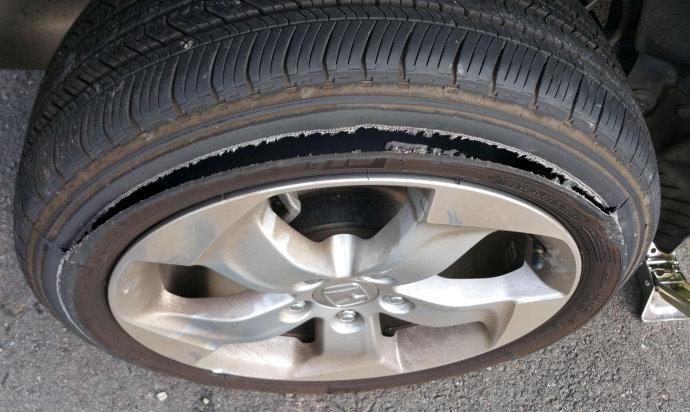
7. What Happens if You Drive Too Far on a Flat Run-Flat?
If you exceed the distance or speed limit on a punctured run-flat:
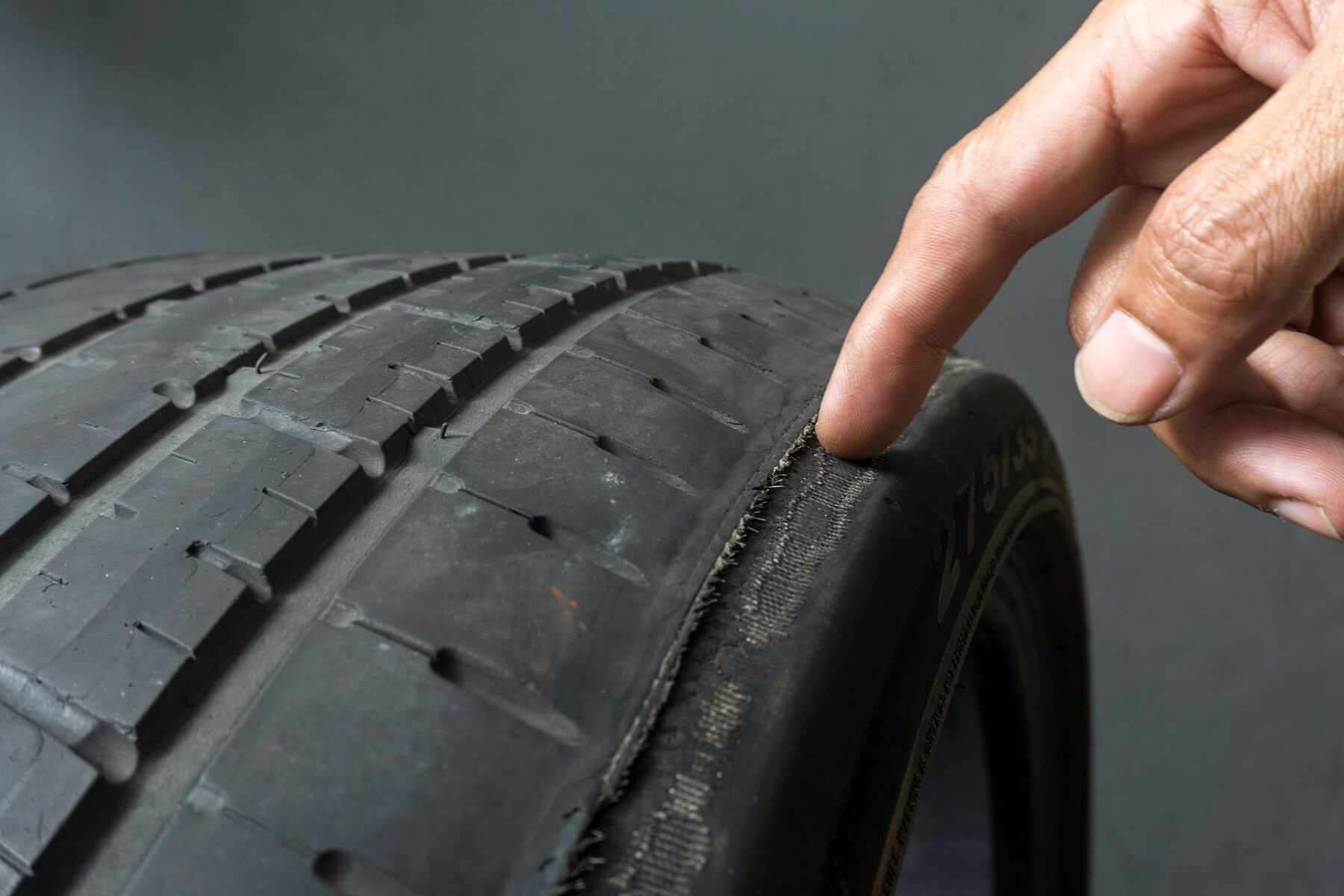
Risks Include:
- Internal sidewall breakdown
- Heat build-up causing delamination
- Complete tyre failure
Consequence:
- Irreparable damage even if the puncture was minor
- You may need a full tyre replacement
At QuickTyreFix.co.uk, we strongly advise not pushing the limits and calling us immediately for roadside help.
8. Replacing vs. Repairing – When to Choose What
Repair If:
- Puncture is within guidelines
- Tyre is relatively new
- No internal or sidewall damage exists
Replace If:
- Tyre has been driven on while flat
- Puncture is near shoulder or sidewall
- Age or tread wear is significant
QuickTyreFix.co.uk Tip:
Our mobile units carry a wide range of branded run-flat replacements to ensure you're never stranded.
9. Costs of Run-Flat Tyre Repair and Replacement
Factors Affecting Cost:
- Tyre brand and model
- Size and vehicle type
- Repair vs. full replacement
QuickTyreFix.co.uk Advantage:
- Competitive pricing on both repairs and new run-flat tyres
- Transparent cost estimates
- No extra charge for mobile service within selected zones
10. Do All Cars Support Run-Flat Tyres?
Not every vehicle is built for run-flat use.
Requirements Include:
- TPMS system to detect pressure loss
- Suspension tuning for stiffer sidewalls
Retrofit Challenges:
- Conventional cars may suffer ride comfort and handling issues
Ask QuickTyreFix.co.uk:
We can advise whether your vehicle is compatible and help switch back to standard tyres if run-flats aren’t right for you.
11. Run-Flat Tyres vs. Conventional Tyres with Repair Kits
Some manufacturers have moved from run-flats to repair kits and sealants. Here’s how they compare:
Run-Flat Pros:
- Safe for immediate continued driving
Repair Kit Pros:
- More affordable tyres
- Better ride comfort
Run-Flat Cons:
- More expensive
- Fewer repair options
Repair Kit Cons:
- Not effective for all punctures
- Requires DIY skills or roadside help
At QuickTyreFix.co.uk, we support both options and can guide you on what suits your lifestyle and vehicle best.
12. The Role of TPMS in Managing Run-Flat Tyres
TPMS is critical for run-flat tyre users.
Functions:
- Monitors real-time tyre pressure
- Alerts driver of any deviation
QuickTyreFix.co.uk TPMS Services:
- Diagnostics and fault repair
- Sensor replacements
- TPMS resets after tyre service
13. Run-Flat Tyres in the UK – What You Need to Know
Popularity:
- Common on premium European models
Legal Requirements:
- No separate laws for run-flats, but TPMS is mandatory on vehicles manufactured after 2014
Seasonal Advice:
- Consider switching to run-flat winter tyres in colder months
QuickTyreFix.co.uk offers both summer and winter run-flat options with doorstep fitting.
14. Environment and Recycling
Sustainability Issues:
- Heavier construction makes run-flats harder to recycle
Solutions:
- Choose eco-certified tyre brands
- Let QuickTyreFix.co.uk handle proper disposal and recycling
We work with licensed recycling partners to ensure your old tyres don’t end up in landfills.
15. Why Choose QuickTyreFix.co.uk for Run-Flat Tyre Services?
Our Unique Value:
- Mobile tyre repair and replacement across the UK
- Specialised in run-flat diagnosis and service
- Transparent pricing with no hidden fees
- Professional, courteous technicians
Our Promise:
- Fast response
- Honest recommendations
- Safety-first mindset
Whether you're dealing with a run-flat emergency or planning a full tyre upgrade, QuickTyreFix.co.uk is your go-to expert.